Did you know a bearded dragon can change color, not just for camouflage, but to express mood? Imagine a pet that subtly shifts hues, a living, breathing mood ring! These fascinating reptiles, native to Australia’s arid regions, are more than just scaly companions; they’re intricate examples of evolutionary adaptation. In fact, if you’ve ever wondered, is a bearded dragon a reptile, the answer is a resounding yes. They belong to the genus Pogona, and are built for survival, with specialized adaptations to thrive in harsh climates. These remarkable lizards have become beloved pets globally, with millions enjoying their unique personalities and the fascinating glimpse they offer into the reptile world.
What is a Bearded Dragon?
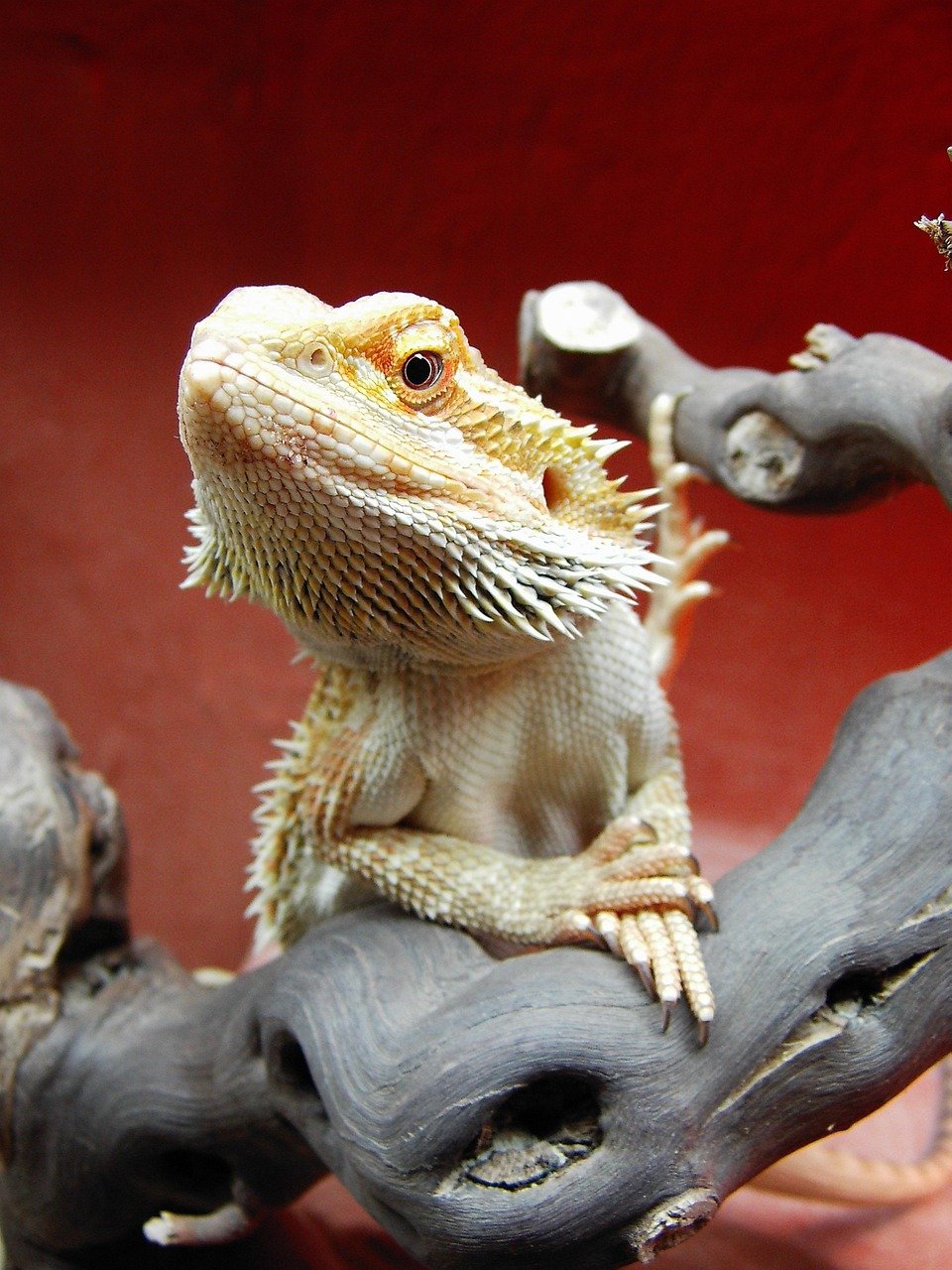
Bearded dragons are a type of medium-sized lizard, scientifically classified within the Pogona genus. Native to Australia, they are easily recognized by their distinctive features: a row of spiny scales running along their bodies and, most notably, a “beard” of spiky scales under their chin that they can puff out when threatened or during social displays.
Key Characteristics
- Scientific Name: Pogona vitticeps
- Common Name: Bearded Dragon
- Origin: Australia (deserts, woodlands, and scrublands)
- Lifespan: 10–15 years (with proper care)
- Adult Size:
- Length: 16–24 inches (40–61 cm) from head to tail
- Weight: 300–600 grams (varies by age and health)
- Temperament: Generally calm, social, and interactive with owners
These reptiles are diurnal (active during the day) and thrive in warm, dry environments. Proper care, including balanced nutrition, UVB lighting, and a well-maintained habitat, significantly impacts their lifespan and overall health.
7 Fun Facts About Bearded Dragons You Didn’t Know:
- They “Wave” Hello (or Show Submission): Bearded dragons perform a slow arm wave, which is thought to be a sign of submission or a way of acknowledging another dragon without aggression. It’s like a little reptilian “hello.”
- They Have a “Third Eye”: Located on the top of their head is a parietal eye, a light-sensitive organ that helps them detect changes in light and shadow. While it doesn’t form images like their main eyes, it’s crucial for detecting predators from above.
- They Change Color: While not as dramatic as chameleons, bearded dragons can subtly change color. This is influenced by temperature, mood, and health. A darkened beard often indicates stress or aggression.
- They “Beard” Up: The spiky scales under their chin, their “beard,” puff out when they feel threatened, excited, or during courtship displays. This action causes them to look bigger, acting as a visual warning.
- They’re From Australia: All bearded dragon species are native to Australia and inhabit arid and semi-arid regions.
- They Brumate: During cooler months, bearded dragons may enter a state of brumation, a reptile version of hibernation. Their metabolism slows down, and they become less active.
- They’re Omnivores: Bearded dragons have a varied diet, eating both insects and vegetation. Young dragons eat more insects, while adults consume more plants.
Different Types of Bearded Dragons
Bearded dragons (Pogona species) are native to Australia and are popular pets due to their manageable size and docile nature. There are several species within the Pogona genus, each with unique characteristics. Below is an overview of the most common species:

1. Central Bearded Dragon (Pogona vitticeps)
- Habitat: Arid to semi-arid regions of central Australia, including deserts and dry forests.
- Size: Adults typically reach up to 24 inches (61 cm) in total length.
- Appearance: Varies in color from light brown to reddish-brown; known for a broad, triangular head and a distinctive “beard” under the chin that can darken and expand when threatened or during courtship.
- Behavior: Docile and hardy, making them the most common species in the pet trade.
2. Rankin’s Dragon (Pogona henrylawsoni)
- Habitat: Found primarily in central and western Queensland, Australia, inhabiting rocky and arid regions.
- Size: Smaller than the central bearded dragon, reaching up to 12 inches (30 cm) in length.
- Appearance: Similar in appearance to P. vitticeps but with a smaller beard and often brighter coloration.
- Behavior: Known for a calm demeanor; less commonly found in the pet trade but appreciated for their manageable size.
3. Western Bearded Dragon (Pogona minor)
- Habitat: Southwest coast and interior regions of Western Australia, including woodlands and semi-arid areas.
- Size: Adults reach about 14–18 inches (35–45 cm) in length.
- Appearance: Generally darker in color with a smaller head and less pronounced beard compared to P. vitticeps.
- Behavior: Less commonly kept as pets; they exhibit typical bearded dragon behaviors such as basking and arm-waving.
4. Eastern Bearded Dragon (Pogona barbata)
- Habitat: Eastern Australia, including New South Wales, Queensland, Victoria, and South Australia; prefers open woodlands and forested areas.
- Size: Can grow up to 24 inches (60 cm) in length.
- Appearance: Darker gray to black coloration with a prominent beard and rough, spiky scales.
- Behavior: More territorial and less commonly kept as pets compared to P. vitticeps.
5. Dwarf Bearded Dragon (Pogona minor minima)
- Habitat: Found on the Wallabi Group of islands in Western Australia.
- Size: Smaller species, reaching up to 12 inches (30 cm) in length.
- Appearance: Similar to P. minor but smaller in size.
- Behavior: Due to their limited range, they are not commonly kept as pets.
Bearded Dragon Care Guide
Proper housing and enclosure setup are crucial for maintaining the health and well-being of your bearded dragon. Here’s a comprehensive guide to ensure an optimal environment:
Tank Size Requirements
Bearded dragons require spacious enclosures to accommodate their active nature and growth. For adult bearded dragons, a minimum enclosure size of 4 feet in length, 2 feet in width, and 2 feet in height (approximately 120 gallons) is recommended. This size allows for adequate movement and the establishment of proper temperature gradients within the habitat.
Substrate Options: Safe vs. Unsafe Choices
Selecting an appropriate substrate is vital to prevent health issues such as impaction. Safe substrate options include reptile carpets, paper towels, or tiles, which are easy to clean and pose no ingestion risk. Loose substrates like sand, wood chips, or walnut shells are generally discouraged, as they can be ingested, leading to gastrointestinal blockages.
Temperature and Lighting
Maintaining correct temperatures and lighting is essential for your bearded dragon’s metabolism and overall health.
- Basking Spot: Establish a basking area with temperatures ranging from 95°F to 110°F. This high-temperature zone aids in digestion and thermoregulation.
- Cool Side: The opposite end of the enclosure should have cooler temperatures between 75°F and 85°F, allowing your bearded dragon to regulate its body temperature effectively.
- UVB Lighting: Exposure to UVB light is crucial for calcium absorption and preventing metabolic bone disease. Provide a full-spectrum UVB light source for 10 to 12 hours daily, ensuring it covers the basking area. For optimal UVB light output, change the bulbs every six months.
Humidity Levels
Bearded dragons thrive in environments with ambient humidity levels between 30% and 50%. Maintaining this range supports respiratory health and proper shedding. Use a hygrometer to monitor humidity and adjust as necessary, ensuring the enclosure is well-ventilated to prevent excessive moisture buildup.
Diet & Nutrition
Bearded dragons (Pogona vitticeps) are omnivorous reptiles, requiring a balanced diet of insects and plant-based foods to maintain optimal health. Their dietary needs evolve with age: juveniles consume approximately 80% insects and 20% plant matter, while adults shift to around 80% plant-based foods and 20% insects.
Insect Protein: A variety of live insects should be offered to provide essential protein. Staple choices include crickets and Dubia roaches, which are rich in protein and widely available. Mealworms can be given occasionally but should not be a primary food source due to their higher fat content. It’s crucial to “gut-load” these insects—feeding them nutritious foods before offering them to your dragon—to enhance their nutritional value.
Vegetables and Greens: A significant portion of an adult bearded dragon’s diet consists of leafy greens and vegetables. Daily staples include collard greens, mustard greens, dandelion greens, and turnip greens, all of which provide vital nutrients. Other vegetables like squash, bell peppers, and carrots can be offered in moderation to add variety. It’s important to avoid high-oxalate vegetables such as spinach and beet greens, as they can interfere with calcium absorption.
Fruits: Fruits should constitute a small portion of the diet due to their sugar content. Safe options include apples, blueberries, strawberries, and melons, offered as occasional treats. Citrus fruits should be avoided, as they can cause digestive upset.
Supplements: To prevent nutritional deficiencies, especially metabolic bone disease, it’s essential to dust insects with a calcium supplement containing vitamin D3 several times a week. Additionally, a multivitamin supplement can be provided once a week to ensure a well-rounded nutrient intake. Always consult with a veterinarian experienced in reptile care to determine the appropriate supplementation regimen for your bearded dragon.
Behavior & Temperament
Bearded dragons (Pogona vitticeps) are generally solitary creatures, thriving well on their own without the need for companionship. In captivity, housing multiple bearded dragons together can lead to stress and aggression, especially among males. Therefore, it’s advisable to keep them individually to ensure their well-being.
Understanding their body language is crucial for interpreting their moods and intentions:
- Head Bobbing: This involves the bearded dragon rapidly moving its head up and down. Males often exhibit this behavior to assert dominance or during mating displays. Females may also head bob, typically as a sign of submission or receptivity.
- Arm Waving: In this gesture, the bearded dragon raises one of its front legs and moves it in a circular motion. This is commonly a submissive behavior, indicating acknowledgment of a more dominant individual.
- Glass Surfing: This behavior involves the bearded dragon standing on its hind legs and scratching or “surfing” against the glass walls of its enclosure. It can be a sign of stress, boredom, or a desire to explore beyond the enclosure.
Building a bond with your bearded dragon requires patience and gentle handling:
- Regular, Gentle Handling: Begin by slowly introducing your hand into the enclosure, allowing your bearded dragon to become accustomed to your presence. Gradually progress to gentle handling sessions, ensuring you support its body fully. Consistent, calm interactions help build trust over time.
- Hand Feeding: Offering food directly from your hand can create positive associations and reinforce bonding. Start with favorite treats, ensuring the feeding process is calm and stress-free.
- Bathing Sessions: Many bearded dragons enjoy baths, which aid in hydration and shedding. Sharing this activity can enhance your bond. Use a shallow container with lukewarm water, ensuring it doesn’t exceed shoulder depth, and always supervise during baths.
What is brumation in bearded dragons?
Brumation in bearded dragons is essentially a reptile’s version of hibernation. It’s a natural, instinctual response to cooler temperatures and reduced daylight hours, typically occurring during the winter months. Unlike true hibernation, where animals enter a deep, continuous sleep, bearded dragons in brumation experience a slowed metabolism and decreased activity. They may sleep for extended periods, but they’ll occasionally wake up to drink water or reposition themselves.
During brumation, a bearded dragon’s body temperature drops, and its heart rate slows. They may stop eating altogether or eat very little. This is because their digestive system works less efficiently in cooler temperatures. It’s vital to differentiate brumation from illness; a healthy dragon will show signs of normal behavior during brief awakenings, while a sick dragon will show consistent signs of distress. It’s also important to note that not all bearded dragons brumate every year, especially those kept in consistently warm indoor environments. However, the instinct remains, and understanding brumation is crucial for responsible bearded dragon care.
Common Health Issues & Care
Bearded dragons (Pogona vitticeps) are generally hardy reptiles, but they can be susceptible to certain health issues. Understanding these common ailments and their prevention is crucial for maintaining your pet’s well-being.
Metabolic Bone Disease (MBD):
MBD is a prevalent condition in bearded dragons, primarily resulting from calcium deficiency or inadequate UVB exposure. Symptoms include limb swelling, softening of jaw bones, tremors, and deformities in the spine or tail. Preventing MBD involves providing a balanced diet rich in calcium and ensuring access to proper UVB lighting, which facilitates calcium absorption. Regular monitoring and maintaining appropriate husbandry practices are essential to avert this debilitating disease.
Impaction:
Impaction occurs when a bearded dragon’s digestive tract becomes obstructed, often due to ingestion of inappropriate substrates (like sand or gravel) or oversized food items. Signs include lethargy, lack of appetite, and difficulty in defecation. To prevent impaction, use safe substrates such as reptile carpet or paper towels, and ensure that food items are appropriately sized, no larger than the space between the dragon’s eyes. Maintaining proper hydration and enclosure temperatures also aids in digestion and reduces impaction risks.
Respiratory Infections:
Bearded dragons can develop respiratory infections, often due to environmental factors like high humidity or low temperatures. Symptoms include open-mouth breathing, wheezing, nasal discharge, and lethargy. Preventive measures include maintaining optimal enclosure temperatures (with a basking spot around 95–110°F and a cooler side between 75–85°F) and keeping humidity levels between 30–40%. Ensuring proper ventilation and cleanliness of the habitat further reduces the risk of respiratory issues.
Signs of a Healthy vs. Sick Bearded Dragon:
A healthy bearded dragon exhibits clear, bright eyes without discharge, maintains a regular feeding schedule, has smooth and firm skin, and displays normal, well-formed feces. They are typically alert and active, especially during daylight hours. Conversely, signs of illness may include lethargy, loss of appetite, weight loss, swollen or discolored body parts, abnormal shedding, and irregular feces (such as diarrhea or presence of blood). Observing these changes promptly and consulting a veterinarian experienced in reptile care is vital for early diagnosis and treatment.
Regular veterinary check-ups, proper diet, and optimal habitat conditions are very important to preventing these common health issues and ensuring a long, healthy life for your bearded dragon.
Breeding Bearded Dragons
Bearded dragons (Pogona vitticeps) exhibit distinct reproductive behaviors and require specific conditions for successful breeding and egg incubation.
Mating Behavior:
In the wild, bearded dragons reach sexual maturity between 1 and 2 years of age. Mating typically occurs during the Australian summer months, from September to March. Courtship involves a series of visual displays: males perform rapid head bobbing and may darken their beards to signal dominance and attract females. Females often respond with slower head bobs and arm-waving gestures, indicating receptiveness. During copulation, the male mounts the female, biting the back of her neck to maintain position, and aligns his cloaca with hers to transfer sperm. This process is brief, often lasting less than a minute.
Egg-Laying and Incubation:
Approximately 2 to 3 weeks post-mating, a gravid (pregnant) female will exhibit restlessness and increased digging behavior, signaling her need to lay eggs. Providing a suitable laying area is essential; a container filled with moist substrate, such as a mix of soil and vermiculite, allows the female to dig and deposit her eggs. Clutch sizes typically range from 11 to 30 eggs. After laying, the eggs should be carefully relocated to an incubator set at temperatures between 80°F and 85°F (27°C to 29°C) with a humidity level around 75%. Under these conditions, eggs generally hatch within 55 to 75 days.
It’s important to note that female bearded dragons can store sperm, enabling them to lay multiple fertile clutches from a single mating. Additionally, even without mating, females may lay infertile eggs, a normal occurrence that still necessitates appropriate care and a proper laying site to prevent health issues.
For a visual understanding of the egg-laying process, you may find this video informative:
Have you seen our latest article? ”Can My Cat Get the Flu?”
Resources
https://www.cats.org.uk/help-and-advice/health/cat-flu
https://www.pdsa.org.uk/pet-help-and-advice/pet-health-hub/conditions/cat-flu
https://www.cdc.gov/flu-in-animals/about/cat-flu.html