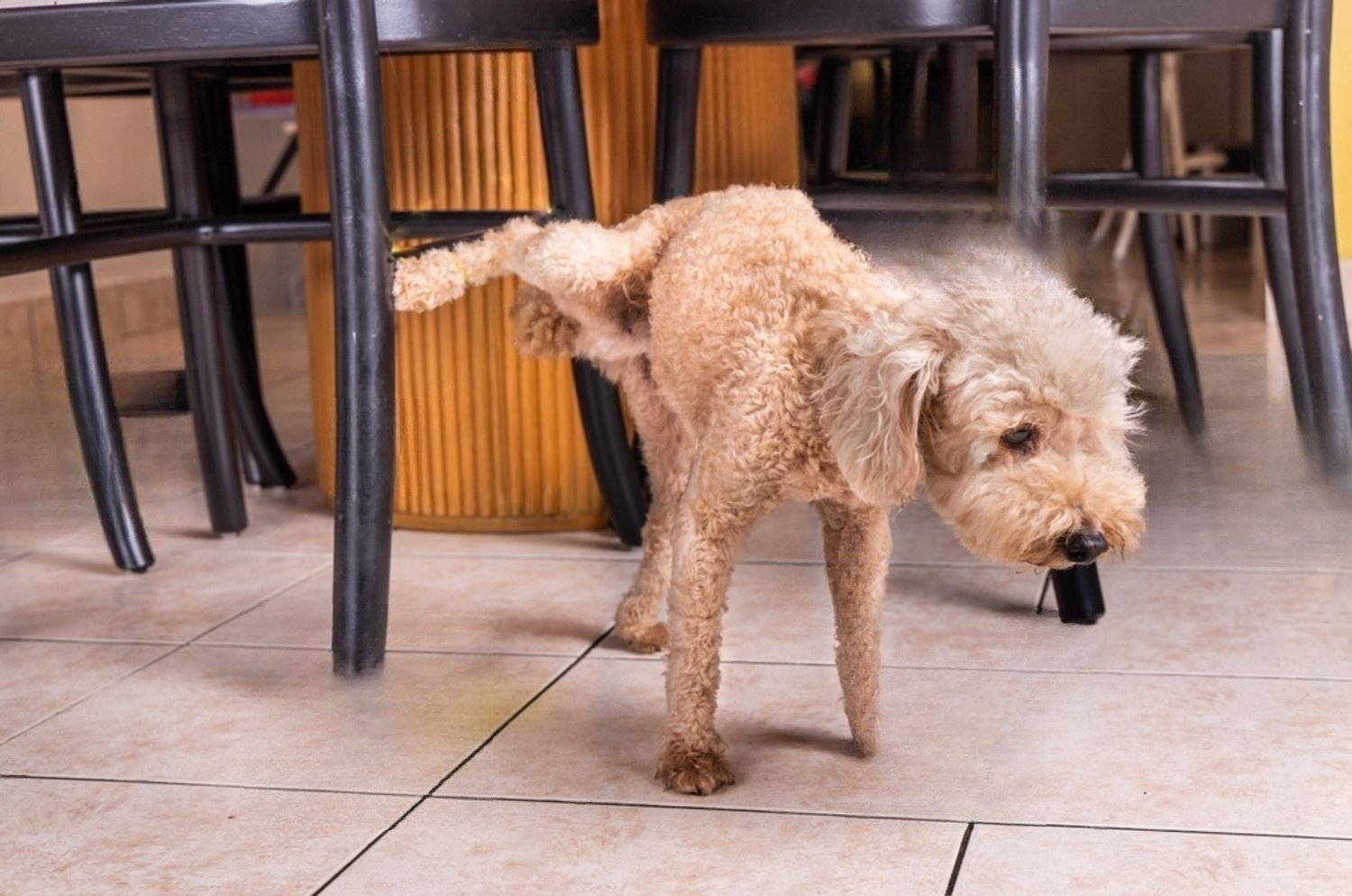
Urine marking in dogs is a natural behavior used to communicate territory, social status, or emotional state. Unlike regular urination, which is done to relieve a full bladder, urine marking involves small amounts of urine deposited on vertical surfaces, such as furniture, walls, or outdoor objects. This behavior is most common in unneutered male dogs but can also be seen in females and neutered pets under certain conditions.
A common misconception is that urine marking is purely a house-training issue. In reality, even fully house-trained dogs may engage in marking due to territorial instincts, stress, or changes in their environment. While frustrating for pet owners, urine marking can often be managed with proper training, behavioral strategies, and, in some cases, medical intervention.
At Petpawty, we understand the challenges of dealing with urine marking in dogs. This guide will explore the reasons behind this behavior and provide practical solutions to help pet owners effectively stop marking in their homes.
Why Do Dogs Urine Mark?
Urine marking is a natural instinct in dogs, primarily used for communication rather than elimination. Understanding the underlying reasons behind this behavior can help pet owners effectively manage and prevent marking in their homes. Below are the key factors that contribute to urine marking in dogs.
1. Territorial Behavior
Dogs use urine marking to establish and maintain their territory. By leaving their scent on furniture, walls, or outdoor objects, they signal to other animals that the area belongs to them. This behavior is particularly common in multi-pet households or when a dog encounters unfamiliar animals in their environment.
2. Social Communication
Urine marking is a form of chemical communication between dogs. The scent left behind contains information about the dog’s age, sex, reproductive status, and social rank. Dogs often mark areas where other animals have been to assert dominance or respond to another dog’s scent.
3. Anxiety or Stress-Related Marking
Dogs may urine mark as a response to stress or anxiety. Situations such as being left alone for extended periods, exposure to loud noises, or changes in routine can trigger this behavior. In some cases, dogs experiencing separation anxiety may mark to create a familiar scent that provides them with comfort.
4. Response to Changes in the Environment
Sudden changes in a dog’s surroundings can lead to urine marking. The introduction of a new pet, a new baby, moving to a different home, or even rearranging furniture can cause a dog to mark areas to re-establish their sense of security. Dogs rely heavily on scent to navigate their environment, and marking is one way they adapt to changes.
5. Sexual Motivation (Especially in Unneutered Dogs)
Unneutered male dogs are more likely to engage in urine marking due to hormonal influences. They use their scent to attract potential mates and assert dominance over other males. Female dogs may also mark when in heat as a way to signal their reproductive status. Neutering or spaying can significantly reduce hormone-driven marking behaviors, though training and reinforcement may still be necessary.
By identifying the cause of urine marking, pet owners can take the right steps to modify this behavior. At Pet Pawty, we provide expert insights and practical solutions to help you create a clean and stress-free environment for your dog.
Signs That Your Dog Is Marking
Recognizing the signs of urine marking in dogs is essential for addressing and managing this behavior effectively. Below are common indicators that your dog may be marking:
1. Small Amounts of Urine in Multiple Locations
Dogs that are marking typically deposit small volumes of urine in various spots, both indoors and outdoors. This contrasts with regular urination, where a dog empties its bladder in one location. According to the American Society for the Prevention of Cruelty to Animals (ASPCA), “Dogs who mark typically urinate on upright objects, leaving small amounts of urine in multiple locations.”
2. Frequent Marking on Vertical Surfaces
Urine marking often targets vertical surfaces such as walls, furniture, door frames, and even curtains. This behavior allows dogs to leave their scent at nose level for other animals. The Humane Society of the United States notes that “Dogs like to mark vertical surfaces, like the sides of couches, chairs, walls, and other upright objects.”
3. Marking New Objects, Furniture, or Visitors’ Belongings
Introducing new items into your home or having visitors can prompt a dog to mark these unfamiliar objects. This action is a way for the dog to establish ownership and familiarize themselves with the new scents. The ASPCA explains that “Dogs often mark new objects in their environment. For example, a dog might mark a new piece of furniture or a guest’s belongings.”
4. More Common in Unneutered Males but Also Possible in Females
While urine marking is more prevalent among unneutered male dogs due to higher testosterone levels, it can also occur in spayed females and neutered males. The American Kennel Club (AKC) states that “Urine marking is most common in unneutered males, but females may do it too.”
How to Stop Urine Marking in Dogs
1. Neutering or Spaying Your Dog
Neutering or spaying your dog is a primary strategy to reduce or eliminate urine marking behaviors. Here’s how these procedures influence marking:
Does Neutering Stop Marking?
Neutering male dogs can significantly decrease urine marking. Studies indicate that approximately 50% to 60% of neutered males show a reduction or complete cessation of marking behaviors.
Other research suggests that up to 90% of dogs may reduce marking post-neutering, though individual results can vary.
How Long Does It Take to Reduce Marking After Neutering?
The timeline for a decrease in marking behaviors post-neutering varies among dogs. Some may exhibit immediate improvement, while others might take several weeks or months to show significant changes. Factors influencing this timeline include the dog’s age, duration of the marking behavior, and individual temperament.
What If My Neutered Dog Is Still Marking?
If a neutered dog continues to mark, consider the following steps:
- Behavioral Training: Implement consistent house-training techniques and positive reinforcement to discourage marking.
- Environmental Management: Thoroughly clean marked areas with enzyme-based cleaners to eliminate residual odors that might attract repeat marking.
- Address Underlying Stress or Anxiety: Identify and mitigate stressors in your dog’s environment, such as changes in routine or the introduction of new pets.
- Consult a Veterinarian or Behaviorist: Persistent marking may stem from underlying medical conditions or behavioral issues. Professional guidance can help determine the root cause and appropriate interventions.
It’s important to note that while neutering significantly reduces marking in many dogs, it may not eliminate the behavior entirely, especially if it has become a learned habit over time.
2. Behavior Training & Management
Addressing urine marking in dogs requires a combination of consistent behavior training and management strategies. Below are effective approaches to mitigate this behavior:
1. Consistency in House Training
Establishing a consistent house-training routine is crucial. Ensure your dog understands where and when it is appropriate to eliminate. Regularly take your dog outside to designated spots and reinforce positive behavior when they eliminate in the correct area. Consistency helps prevent confusion and reduces the likelihood of indoor marking.
2. Supervision and Correction Techniques
Close supervision is essential, especially during the training phase. If you observe your dog exhibiting pre-marking behaviors, such as sniffing or circling, interrupt them immediately with a verbal cue or noise to redirect their attention. Promptly take them outside to the appropriate elimination area and reward them for correct behavior. This immediate correction helps them associate proper elimination habits.
3. Reward-Based Positive Reinforcement
Positive reinforcement is a powerful tool in behavior modification. Reward your dog with treats, praise, or playtime immediately after they are eliminated in the designated area. This association encourages repetition of the desired behavior. Avoid punishment, as it can lead to fear or anxiety, potentially exacerbating marking behaviors.
3. Using Dog Marking Deterrent Sprays
Addressing urine marking in dogs can be effectively managed through the use of specialized deterrent sprays. Here’s an overview of top-rated products, their mechanisms, and application methods:
Best Dog Marking Deterrent Spray Options
- Skout’s Honor Stop Marking! Preventative Spray: This product utilizes natural lemongrass and peppermint oils to deter dogs from marking or revisiting previously marked areas.
- Only Natural Pet No Marking Spray: Formulated with lemongrass and cinnamon essential oils, this spray emits a scent that discourages dogs from marking treated areas.
- Nature’s Miracle Advanced Platinum No More Marking: This spray aims to prevent dogs from revisiting and marking the same spot twice.
- Bodhi Dog Not Here! Spray: Designed to deter pets from revisiting and marking the same spot, this spray offers a humane training aid.
- Rocco & Roxie No Marking Spray: This product serves as a housebreaking and training aid to prevent dogs from marking indoors.
How Deterrents Work
Dog marking deterrent sprays typically function by emitting scents that are unpleasant to dogs, discouraging them from marking treated areas. Common ingredients include essential oils like lemongrass, peppermint, and cinnamon, which are safe for pets and humans but deter marking behavior.
Application Tips
- Thorough Cleaning: Before applying a deterrent spray, clean any previously marked areas with an enzyme-based cleaner to eliminate residual odors that might attract repeat marking.
- Consistent Application: Spray the deterrent on areas where your dog has previously marked or areas you wish to protect. Reapply as directed by the manufacturer, especially after cleaning or if the scent fades.
- Complementary Training: Use deterrent sprays in conjunction with behavior training techniques, such as positive reinforcement, to effectively curb marking behavior.
4. Addressing Anxiety & Stress-Related Marking
Addressing anxiety and stress-related urine marking in dogs involves a multifaceted approach that includes identifying stress triggers, creating a secure environment, and implementing calming strategies.
Identifying Stress Triggers
Understanding the factors that cause stress in your dog is crucial. Common triggers include:
- Environmental Changes: Introducing new furniture, people, or pets can lead to anxiety-induced marking.
- Routine Disruptions: Alterations in daily schedules or living arrangements may cause stress.
- Loud Noises: Events like thunderstorms or fireworks can be distressing.
Observing your dog’s behavior in different situations can help pinpoint specific stressors.
Providing a Secure and Stable Environment
Establishing a consistent and comforting environment can alleviate anxiety:
- Consistency: Maintain regular feeding, exercise, and sleep schedules to provide predictability.
- Safe Spaces: Create designated areas where your dog feels secure, such as a quiet room or a comfortable crate.
- Positive Reinforcement: Reward calm behavior to encourage relaxation and build confidence.
Using Calming Products or Techniques
Several products and methods can help reduce anxiety:
- Calming Supplements: Products containing ingredients like melatonin and chamomile can promote relaxation.
- Pheromone Diffusers: Devices that emit calming scents may help soothe anxious dogs.
- Pressure Wraps: Items like anxiety vests apply gentle pressure, providing a calming effect.
- Behavioral Therapy: Techniques such as desensitization and counter-conditioning can address underlying anxiety issues.
5. Cleaning Marked Areas Properly
Effectively cleaning marked areas is crucial to prevent your dog from marking the same spots. Regular cleaners often fail to eliminate the strong odors associated with urine, as they don’t break down the uric acid crystals. This section will provide comprehensive guidance on using enzyme cleaners, including DIY options, and address cleaning different surfaces, along with the use of blacklights.
Why Enzyme Cleaners Are Essential
Traditional cleaners typically mask odors rather than eliminate them. Enzyme cleaners, however, contain enzymes that break down the uric acid crystals in urine, effectively neutralizing the odor at its source. This prevents your dog from being attracted back to the same spot.
Using Enzyme Cleaners Effectively
- Thorough Blotting: Before applying any cleaner, thoroughly blot up as much urine as possible with paper towels or a clean cloth.
- Generous Application: Apply the enzyme cleaner liberally to the affected area, ensuring it penetrates deep into the fibers of carpets, upholstery, or other porous materials.
- Allow Sufficient Dwell Time: Follow the manufacturer’s instructions for dwell time, which is the amount of time the cleaner needs to work. Typically, this is 10-15 minutes or more. Do not rush this process.
- Avoid Heat: Do not use heat or steam cleaners on urine stains, as heat can set the stain and odor.
- Repeat if Necessary: For older or stubborn stains, you may need to repeat the cleaning process.
- Air Dry: Allow the area to air dry completely. Avoid applying heat, such as from a hairdryer, to the cleaned area.
DIY Enzyme Cleaners (Use with Caution)
While commercial enzyme cleaners are readily available, you can create a DIY version. However, keep in mind that DIY options may not be as potent and might require more applications.
- Baking Soda and Hydrogen Peroxide:
- Mix 1/2 cup of 3% hydrogen peroxide with 1 tablespoon of baking soda and a small amount of dish soap.
- Apply the mixture to the affected area and let it sit for a few hours before blotting it up.
- This mixture works well for fresh stains.
- Vinegar and Water:
- Mix equal parts of white vinegar and water.
- Spray or saturate the area, and allow to set for 10-15 minutes, then blot dry.
- Vinegar is good at neutralizing odors, but may not break down all of the uric acid.
Cleaning Different Surfaces
- Carpets and Rugs: Ensure the enzyme cleaner penetrates the carpet fibers and padding. For severe stains, consider lifting the carpet to treat the padding directly.
- Upholstery: Test the cleaner on an inconspicuous area first to ensure it doesn’t damage the fabric. Apply the cleaner liberally and allow it to dry thoroughly.
- Hard Surfaces (Tile, Wood, Laminate): Clean the surface with a mild detergent and water before applying the enzyme cleaner. Ensure the cleaner reaches any cracks or crevices.
- Clothing and Bedding: Pre-soak the items in an enzyme cleaner solution before washing them in the washing machine.
Using a Blacklight to Locate Old Urine Spots
- How it Works: Urine contains phosphorus, which glows under ultraviolet (UV) light, also known as a blacklight.
- Procedure:
- Turn off the lights in the room and use a handheld blacklight to scan the area.
- Urine spots will glow a yellowish-green color.
- Mark the spots with tape or chalk so you can clean them thoroughly.
- Benefits: Blacklights are especially helpful for locating old or dried urine spots that may be invisible to the naked eye.
When to Seek Veterinary Help
While urine marking is a natural behavior, excessive or sudden marking may indicate an underlying issue that requires veterinary attention.
If Marking Is Excessive or Sudden
- If a previously well-trained dog suddenly starts marking frequently, it could be a sign of stress, anxiety, or a medical condition.
- Excessive marking that occurs despite behavioral interventions may require professional evaluation.
- Dogs that mark excessively due to anxiety or hormonal imbalances may benefit from veterinary-recommended treatments.
Underlying Medical Conditions That Mimic Marking Behavior
Certain medical issues can cause a dog to urinate frequently in small amounts, which may be mistaken for marking. These include:
- Urinary tract infections (UTIs): Dogs with UTIs may dribble urine frequently and show signs of discomfort.
- Bladder stones: Can cause pain, frequent urination, and accidents in the house.
- Diabetes: Increased thirst and urination are common symptoms.
- Kidney disease: May lead to excessive drinking and urination.
- Hormonal imbalances: Conditions like Cushing’s disease can affect urination patterns.
If your dog’s marking behavior changes drastically, consult a veterinarian to rule out health issues and determine the best course of action.
Conclusion
Urine marking in dogs is a natural behavior influenced by territorial instincts, social communication, and stress. While it is more common in unneutered males, both male and female dogs can exhibit marking behavior. Effective solutions include neutering or spaying, consistent behavior training, using dog marking deterrent sprays, and addressing anxiety-related triggers. Proper cleaning with enzymatic cleaners is crucial to prevent repeat marking.
If urine marking persists despite training efforts, or if it appears suddenly and excessively, consulting a veterinarian is essential to rule out underlying medical conditions.
Consistency and patience are key to stopping urine marking in dogs. With the right approach, dog owners can successfully manage this behavior and create a cleaner, stress-free home environment.