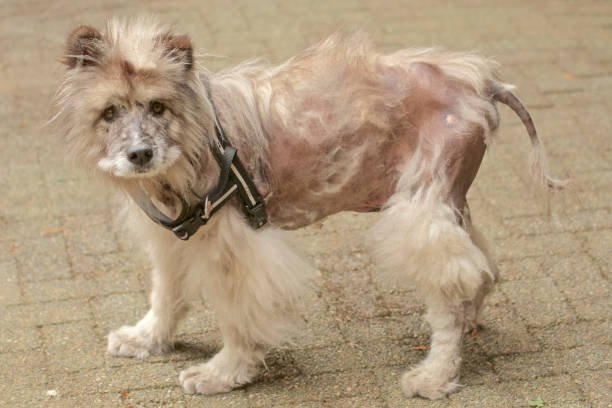
A dog’s healthy coat is more than just something to cuddle! It’s a window into their overall well-being. A shiny, full coat reflects a dog who is thriving, while a dull, patchy, or thinning coat can signal underlying health issues. One potential culprit for hair loss in dogs? Vitamin deficiencies. Certain vitamins play a crucial role in healthy hair growth, and a lack of these nutrients can lead to significant shedding and coat problems. Let’s talk about how vitamins affect your dog’s hair health. We’ll explore how not getting enough of certain vitamins can lead to hair loss in dogs and what you can do to keep your puppy’s coat shiny and full. So, what vitamin deficiency causes hair loss in dogs? Let’s figure that out.
Vitamins and essential nutrients act like a well-oiled machine for your dog’s hair and skin health. They work together to build strong hair follicles, the tiny pockets in the skin where hair grows. Think of these follicles as factories – they need the right raw materials, like protein and amino acids, to manufacture healthy hair strands. Vitamins like A, E, and B vitamins help these factories function efficiently, while minerals like zinc and copper contribute to the overall strength and structure of the hair. Additionally, essential fatty acids like Omega-3 and Omega-6 nourish the skin, keeping it healthy and hydrated, which provides a perfect environment for hair growth and prevents dryness that can lead to shedding and breakage. So, a balanced diet rich in these essential nutrients is the foundation for a luxurious, healthy coat on your furry companion.
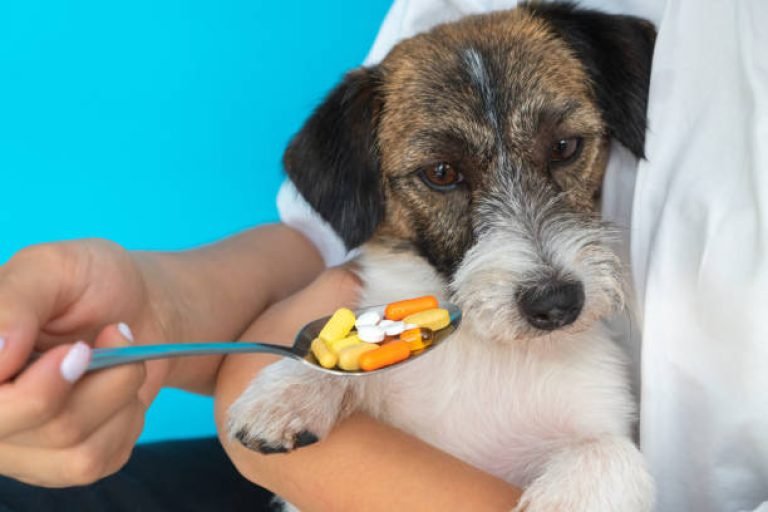
A healthy coat is a source of pride for both dog and owner. However, hair loss can be a frustrating and concerning issue. While there are many potential causes for hair loss in dogs, nutritional deficiencies are a common culprit. Here’s a breakdown of some key deficiencies and how they can impact your dog’s hair:
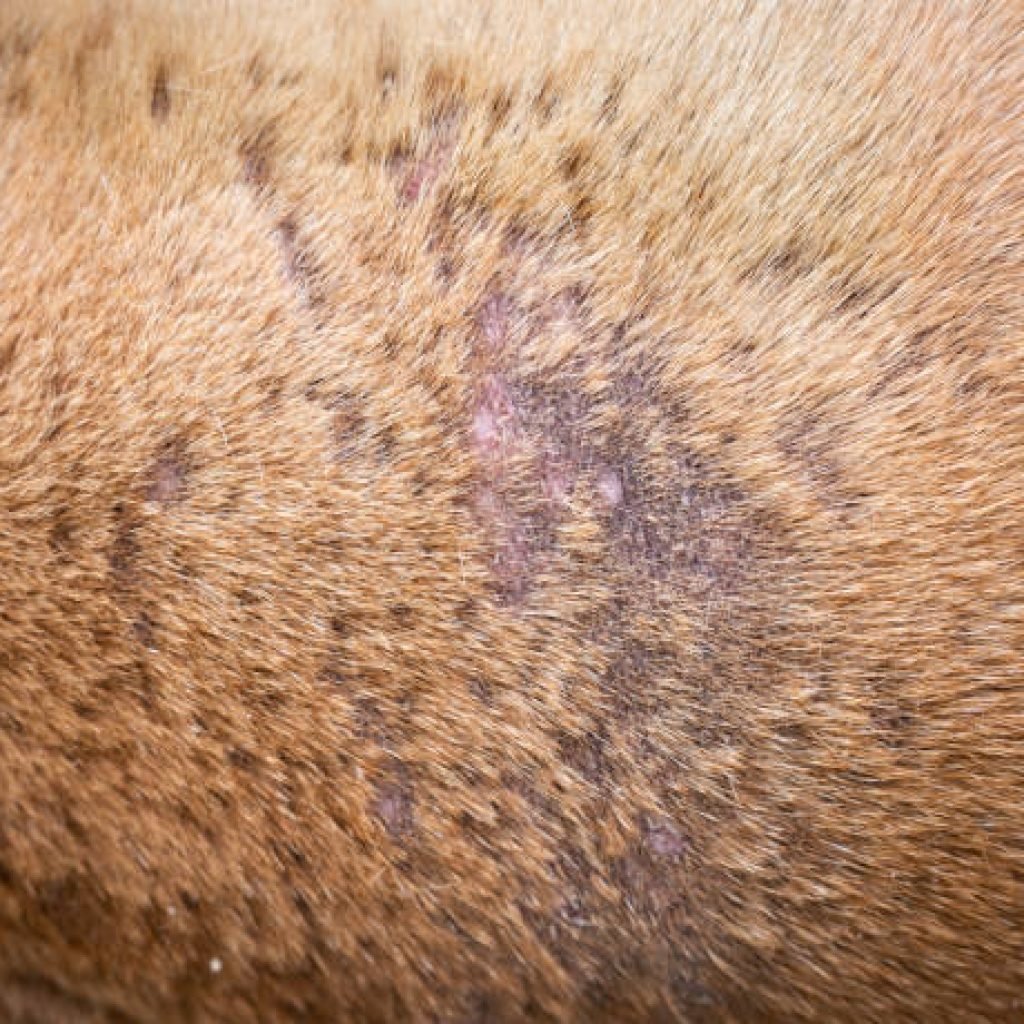
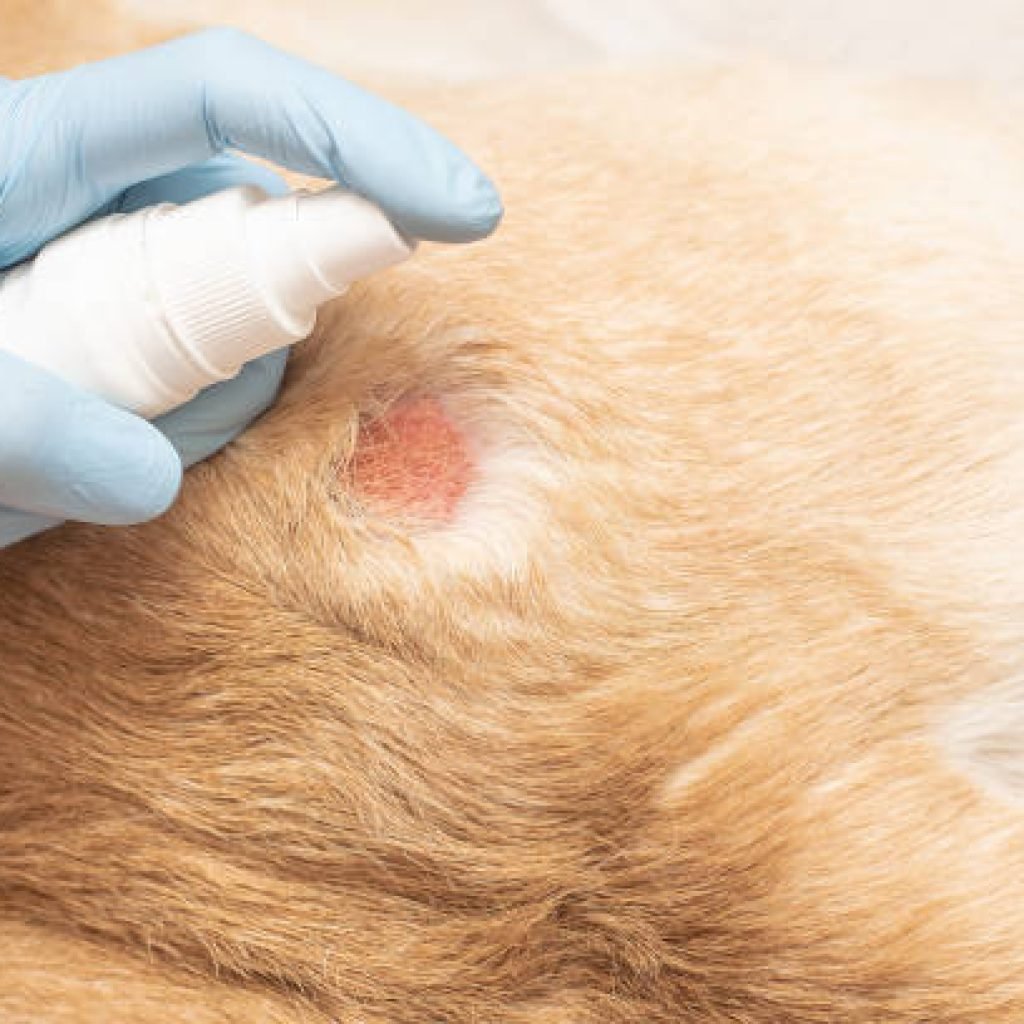
In conclusion,
Ensuring proper nutrition is essential for maintaining the health and vitality of dogs, particularly when it comes to their skin and coat. Deficiencies in various vitamins, minerals, and nutrients can lead to significant issues such as hair loss and poor coat condition. Understanding the importance of providing a balanced diet rich in essential nutrients, including B-complex vitamins, zinc, copper, fatty acids, and protein, is paramount for preventing deficiencies and promoting optimal skin and coat health in dogs. By addressing deficiencies and incorporating nutrient-rich foods into their diet, pet owners can help their canine companions maintain luscious, shiny coats and overall well-being. Remember, addressing deficiencies early on can make a world of difference in preventing hair loss and maintaining a happy, healthy dog. So, what vitamin deficiency causes hair loss in dogs? It’s essential to consider the role of various vitamins and nutrients in maintaining skin and coat health to find the answer and ensure our furry friends thrive.
FAQ's
My dog is losing a lot of hair. Could it be a vitamin deficiency?
What are some signs of a vitamin deficiency in dogs?
Can I give my dog vitamin supplements to prevent hair loss?
What kind of food should I feed my dog to promote healthy skin and coat?
What vitamin deficiency causes hair loss in dogs?
Is hair loss a symptom of B12 deficiency?
Join us on another social media platforms: