
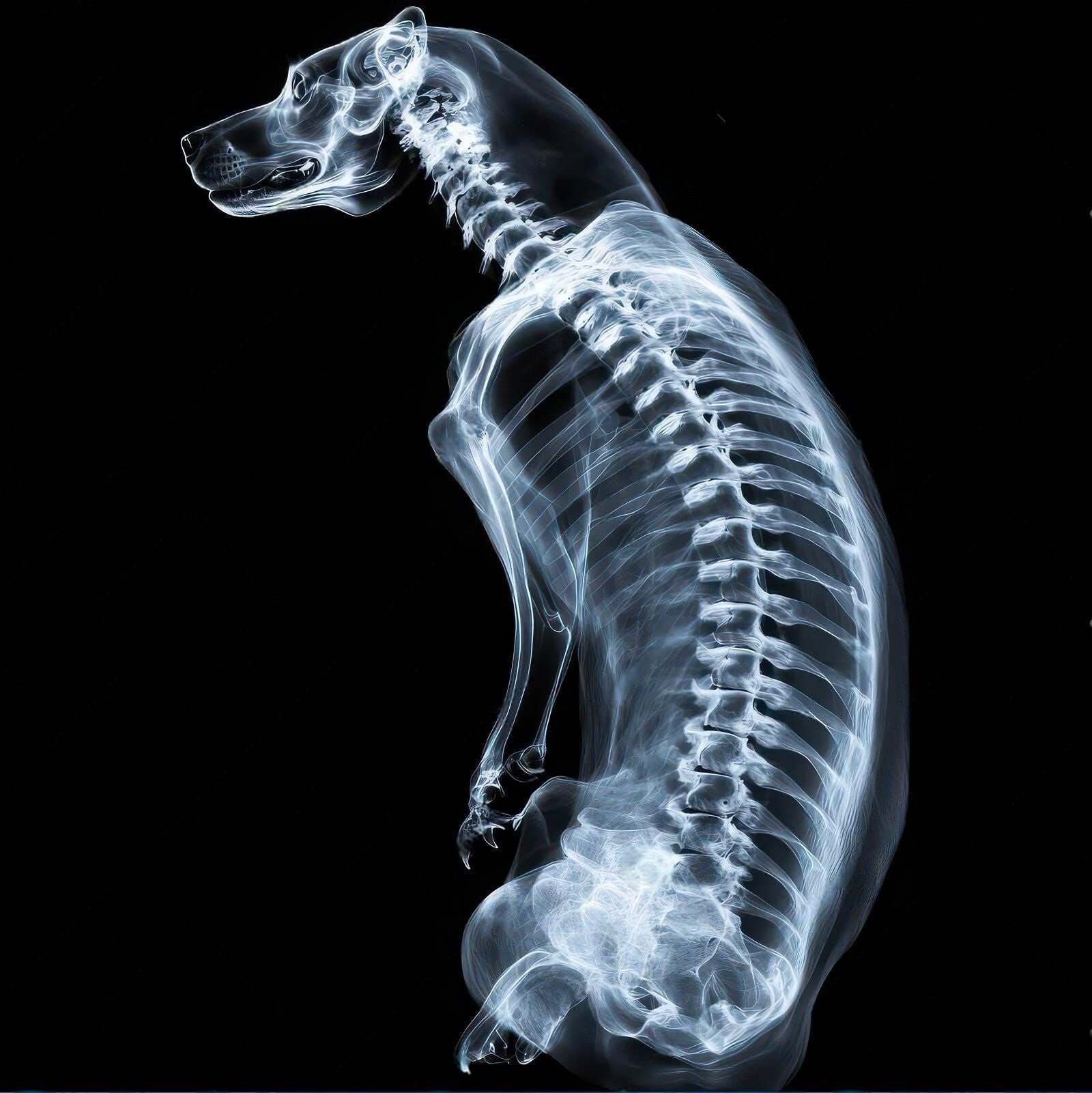
As a pet parent, noticing changes in your dog’s posture can be concerning, especially if their spine appears curved or arched. While occasional stretching is normal, a persistently curved spine may indicate an underlying health issue. Dogs rely on their spine for mobility, balance, and overall well-being, so any abnormality in their posture could be a sign of discomfort, injury, or a medical condition.
Understanding the causes of spinal problems, recognizing early symptoms, and seeking proper treatment can help prevent further complications. In this article, we’ll explore how dogs develop spinal issues, the symptoms to watch for, and the best treatment options to ensure your furry friend stays happy and healthy.
How Do Dogs Develop Spinal Problems?
A dog’s spine plays a crucial role in their mobility, balance, and overall health. It consists of vertebrae, discs, nerves, and muscles that work together to support movement and flexibility. When the spine is affected by injury, disease, or structural abnormalities, it can lead to discomfort, restricted mobility, and serious health issues.
Several factors contribute to spinal problems in dogs, ranging from natural aging to genetic predisposition and external injuries. Understanding these causes can help pet parents take preventive measures and seek early treatment.
Age-Related Degeneration
As dogs age, their joints and bones undergo wear and tear, leading to degenerative conditions like arthritis and spinal disc disease. Over time, the cartilage that cushions the joints begins to wear down, causing pain, stiffness, and reduced flexibility. Senior dogs are more prone to conditions such as spondylosis, a degenerative disorder where bony spurs form along the spine, restricting movement and causing discomfort.
Certain breeds, such as German Shepherds, Labrador Retrievers, and Dachshunds, are more susceptible to age-related spinal issues due to their genetic structure and body weight distribution. While aging is inevitable, maintaining a healthy weight, providing joint supplements, and engaging in low-impact exercises can help slow down spinal degeneration and improve a dog’s quality of life.
Injury or Trauma
Spinal injuries in dogs can occur due to falls, accidents, or excessive physical activity. Rough play, jumping from high surfaces, or sudden impacts can strain the spine, leading to pain and mobility issues. In severe cases, trauma can cause fractures, nerve damage, or herniated discs.
One of the most common spinal injuries in dogs is Intervertebral Disc Disease (IVDD). This condition occurs when the discs between the vertebrae become compressed or rupture, leading to pain, weakness, and even paralysis in severe cases. Breeds with long backs, such as Dachshunds and Corgis, are particularly prone to IVDD. Early diagnosis and restricted movement can help manage the condition and prevent further damage.
Genetic & Breed Predisposition
Some dog breeds are naturally more susceptible to spinal problems due to their body structure and genetic makeup.
- Dachshunds, French Bulldogs, and German Shepherds are among the most at-risk breeds for spinal disorders. Their body proportions and genetic traits make them more prone to issues like IVDD and hip dysplasia.
- Congenital deformities can also affect spine alignment. Some dogs are born with abnormal vertebral development, leading to conditions like scoliosis (spinal curvature) or hemivertebrae (misshapen vertebrae). These deformities can cause discomfort and impact mobility as the dog grows.
While genetic factors cannot be changed, proper care, weight management, and early intervention can help reduce the risk of severe spinal complications in predisposed breeds.
Poor Posture & Muscle Weakness
A dog’s posture and muscle strength are vital to maintaining spinal health. Lack of regular exercise can lead to muscle weakness, reducing the support for the spine and increasing the risk of misalignment or injury. Additionally, improper movement habits or inadequate training can result in poor posture, placing undue stress on the spinal column.
Obesity further exacerbates these issues by adding extra weight, which increases pressure on the spine and joints. This additional strain can accelerate degenerative processes and lead to conditions such as intervertebral disc disease (IVDD) or arthritis. Maintaining a healthy weight and ensuring regular, appropriate exercise are crucial in supporting spinal integrity and overall health.
Underlying Medical Conditions
Certain medical conditions can cause dogs to temporarily arch their backs, signaling discomfort or pain. Gastrointestinal issues, such as gastric dilatation-volvulus (GDV), commonly known as bloat, can lead to significant abdominal discomfort, causing a dog to adopt an arched posture. GDV is a life-threatening condition where the stomach becomes overstretched and rotated by excessive gas content, requiring immediate veterinary attention.
Neurological conditions affecting the spine or nervous system can also impact a dog’s movement and posture. Disorders such as degenerative myelopathy or spinal tumors can lead to pain, weakness, and changes in gait, prompting an arched back as the dog attempts to alleviate discomfort. Early detection and treatment of these underlying medical conditions are essential to manage symptoms and improve quality of life.
Possible Signs of Spinal Issues in Dogs
The symptoms associated with spinal problems in dogs can vary significantly, depending on the specific condition and its severity. These signs may emerge suddenly or develop progressively over time. Here’s a breakdown of potential indicators:
Changes in Posture:
- A noticeable alteration in the dog’s stance, such as an arched or hunched back.
Mobility Difficulties:
- Problems with movement, ranging from mild discomfort to severe limitations.
- Reluctance or inability to perform normal activities like walking, running, rising from a resting position, jumping, or navigating stairs.
- Limping, or an un even gait.
- Loss of coordination and balance.
- Paralysis, which can involve partial or complete loss of movement.
Physiological Changes:
- Incontinence, characterized by the involuntary loss of bowel or bladder control.
- Lethargy indicates a significant decrease in energy levels.
- Fever, suggesting a possible infection or inflammatory process.
- Sudden, unexplained weight changes.
Other Indicators:
- Pain, discomfort, or stiffness in the back or neck region.
- Loss of muscle mass, potentially due to nerve damage or disuse.
- Fainting or sudden collapse.
When to See a Vet & Diagnosis Process
If your dog exhibits signs of spinal problems—such as persistent back arching, difficulty moving, or signs of pain—that persist or worsen, it’s essential to consult a veterinarian promptly. Early diagnosis and intervention can significantly improve outcomes and quality of life.
Common Diagnostic Methods:
- Physical Examination: The veterinarian will assess your dog’s posture, gait, and neurological function, checking for pain responses, muscle weakness, or coordination issues.
- Imaging Studies:
- X-rays (Radiographs): Useful for detecting bone abnormalities, fractures, or vertebral malformations.
- Magnetic Resonance Imaging (MRI): Provides detailed images of soft tissues, including the spinal cord and intervertebral discs, aiding in diagnosing conditions like intervertebral disc disease (IVDD) or tumors.
- Computed Tomography (CT) Scans: Offers cross-sectional images of the spine, helpful in identifying bone lesions or complex fractures.
- Neurological Assessments: If nerve damage is suspected, tests such as reflex evaluations or electromyography (EMG) may be conducted to assess nerve and muscle function.
Treatment Options for Dogs with Spinal Problems
Treatment options for dogs with spinal problems vary based on the underlying cause and severity of the condition. A comprehensive approach often includes medical management, physical rehabilitation, and, in some cases, surgical intervention.
Medical Treatments
- Pain Management: Non-Steroidal Anti-Inflammatory Drugs (NSAIDs), corticosteroids, and muscle relaxants are commonly prescribed to alleviate pain and reduce inflammation associated with spinal conditions. It’s important to monitor for potential side effects, as some medications may have adverse effects. For instance, the FDA has issued warnings about certain dog arthritis drugs linked to serious side effects, including seizures and muscle weakness.
- Physical Therapy & Rehabilitation: Therapeutic exercises, hydrotherapy, and other rehabilitation techniques aim to improve mobility, strengthen supporting musculature, and enhance overall spinal function. These non-invasive therapies can be particularly beneficial for dogs with mild to moderate spinal issues.
- Surgery: In cases of severe intervertebral disc disease (IVDD), fractures, or congenital deformities causing significant spinal cord compression or instability, surgical intervention may be necessary. Procedures such as dorsal laminectomy are performed to decompress affected areas and stabilize the spine.
Emerging treatments, like stem-cell therapy, are also being explored for spinal cord injuries in dogs. Studies have shown that dogs treated with stem cells have exhibited functional recovery, including the ability to support their own weight, which is a significant improvement over conventional therapies.
A tailored treatment plan, developed in consultation with a veterinarian or veterinary specialist, is essential to address the specific needs of each dog and to optimize recovery outcomes.
At-Home Care & Lifestyle Adjustments
- Supportive Bedding: Providing an orthopedic dog bed can help reduce pressure on the spine, offering comfort and aiding in pain relief.
- Controlled Exercise: Implementing gentle activities, such as leash walks, helps maintain mobility without overexertion. Using ramps instead of stairs and avoiding high-impact actions like jumping can prevent additional strain on the spine.
- Weight Management: Ensuring a balanced diet to maintain an optimal weight reduces unnecessary stress on the spinal column and supports overall health.
Alternative Therapies
- Chiropractic Adjustments: Veterinary chiropractic care involves manual manipulations to align the spine, potentially improving mobility and reducing pain. While some practitioners report positive outcomes, it’s important to note that evidence supporting its efficacy is limited, and the practice remains controversial.
- Canine Massage Therapy: Targeted massage techniques can alleviate muscle tension, enhance circulation, and promote relaxation, contributing to spinal health.
- Supplements for Joint and Spinal Health: Nutritional supplements containing glucosamine and chondroitin are commonly used to support joint function and may aid in maintaining spinal health.
Integrating these at-home care strategies and alternative therapies, under the guidance of a veterinarian, can significantly contribute to a dog’s recovery and overall well-being.
Preventive Measures for Spinal Health
Maintaining your dog’s spinal health is essential for their overall well-being and mobility. Implementing preventive measures can significantly reduce the risk of spinal issues:
Regular Veterinary Checkups
Routine veterinary visits are crucial for the early detection of potential spinal problems. Regular examinations allow veterinarians to identify subtle signs of discomfort or structural issues, enabling prompt intervention and management.
Proper Exercise Routine
Engaging your dog in regular, controlled exercise helps build and maintain muscle strength, supports the spine, and reduces the likelihood of injuries. Activities such as leash walks and supervised play sessions are beneficial. Avoid exercises that involve excessive jumping or twisting, as these can strain the spine.
Safe Handling and Movement
- Harness Usage: Utilizing a harness instead of a collar distributes pressure more evenly across the body, minimizing strain on the neck and spine.
- Proper Lifting Techniques: When lifting your dog, especially small breeds or those with existing spinal concerns, support both the chest and hindquarters to maintain spinal alignment and prevent injury.
Weight Management
Maintaining a healthy weight is vital for reducing stress on your dog’s spine and joints. Obesity can exacerbate conditions like osteoarthritis and increase the risk of back problems. Monitoring your dog’s diet and ensuring appropriate portion sizes, along with regular exercise, are key components of weight management.
Conclusion
Recognizing the causes and signs of a dog spine curved up is essential for safeguarding your pet’s health and mobility. Spinal issues in dogs can develop due to age-related degeneration, injuries, genetic predisposition, poor posture, or underlying medical conditions. Key symptoms to watch for include persistent back arching, difficulty moving, signs of pain, and loss of coordination.
Treatment options vary based on severity and may include pain management, physical therapy, lifestyle adjustments, or surgery for severe cases. Preventive measures such as regular vet checkups, proper exercise, and safe handling can help maintain spinal health and prevent complications.
Pet parents should stay attentive to changes in their dog’s posture and movement. If a dog’s spine is curved up persistently or accompanied by discomfort, consulting a veterinarian promptly ensures early diagnosis and the best treatment plan for your furry friend’s long-term mobility and comfort.
Sources
petmd.com
undertheweatherpet.com
lilbackbracer.com
thekennelclub.org.uk