Hi, I’m Dr. Mehedi Hasan, a veterinarian with over a decade of experience treating dogs of all breeds — from energetic puppies to senior companions. One of the more surprising things dog owners come to me with is a sudden change in stool color, especially when it turns green.
If you’re here because your dog has green diarrhea, take a deep breath. While it can look strange (and yes, concerning), it doesn’t always mean something serious is going on. But in some cases, it can be a signal your dog’s digestive system is reacting to something — anything from diet to infection, or even toxins.
This article will walk you through what green diarrhea means, possible causes, and most importantly, what steps you should take right now, whether that means some at-home care or getting your vet involved quickly.
What Does It Mean If Your Dog Has Green Diarrhea?
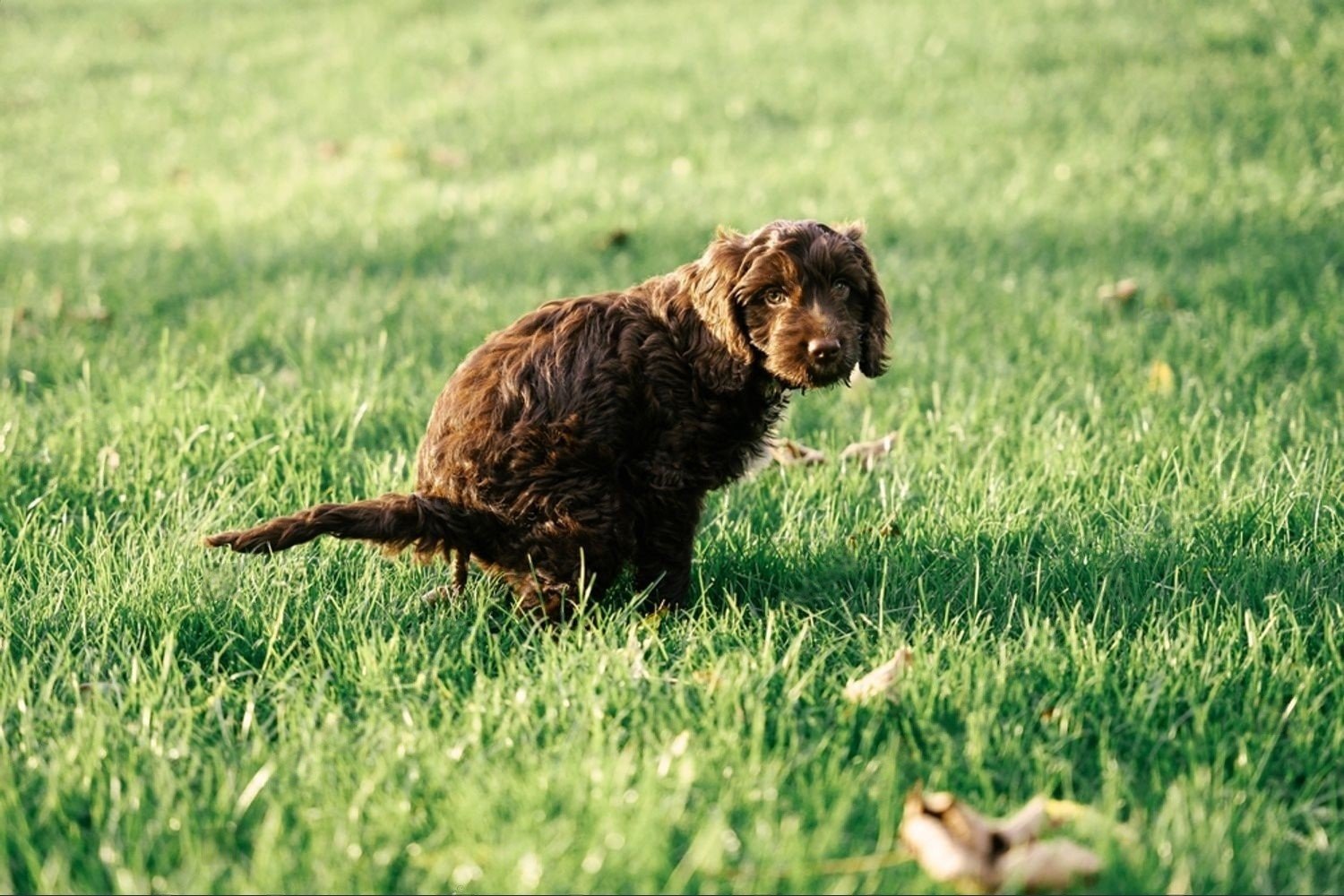
When your dog suddenly has green-colored diarrhea, it’s natural to worry. As a vet, I’ve seen this happen due to several reasons — some minor, others requiring urgent care.
In many cases, green diarrhea simply means your dog ate something green, like grass or food with green coloring. But sometimes, it points to digestive upset, bile imbalance, or even intestinal infections.
The green color often comes from bile pigments moving too quickly through the intestines without being fully broken down — a process called rapid gut transit. This can happen if your dog is experiencing stress, dietary changes, or infection.
👉 Important: If green diarrhea is repeated, smelly, slimy, or accompanied by vomiting, lethargy, or blood, it could be serious. In those cases, you should contact your vet immediately.
You know your dog best. If something feels off, trust your gut. I always say, it’s better to check early than wait too long.
Top 8 Causes of Green Diarrhea in Dogs
Not all green poop is dangerous, but some cases do need urgent care. Below are the most common causes I’ve diagnosed in the clinic, explained with both simplicity and clarity, so you’ll know exactly when to worry and when not to.
Quick Reference: What Might Be Causing Your Dog’s Green Poop?
| Cause | Is it Serious? | Common Signs | Vet Visit Needed? |
| Grass or Green Foods | Usually not | Normal behavior, soft stool | No, monitor at home |
| Foreign Objects | Sometimes serious | Vomiting, straining, loss of appetite | ✅ Yes, if other symptoms show |
| Toxins (Rodenticide, Snail Bait) | Very serious | Lethargy, bloody diarrhea, tremors | ✅ Urgent emergency |
| Gallbladder/Bile Issues | Moderate to serious | Jaundice, yellow eyes, poor appetite | ✅ Yes |
| Parasites (Giardia, etc.) | Treatable | Slimy/mucus stool, weight loss | ✅ Yes |
| Viral/Bacterial Infection | Serious | Fever, dehydration, vomiting | ✅ Immediate attention |
| Chronic GI Conditions | Ongoing management | Recurring diarrhea, weight changes | ✅ Yes |
| Rare Algae Infection (Protothecosis) | Rare but serious | Weakness, chronic green diarrhea | ✅ Specialist testing required |
1. Dietary Causes
A. Grass Eating
It’s very common for dogs to nibble on grass, either from boredom or to ease an upset stomach. If the grass passes through undigested, it may turn their stool green. This is usually not a concern unless it’s accompanied by vomiting or appetite loss.
B. Green Dyes in Food or Treats
Some dog foods and treats contain artificial coloring that may tint the stool green, especially if eaten in large amounts. If your dog seems normal otherwise, just keep an eye on things.
Vet Tip: Always read ingredient labels and opt for natural, dye-free options when possible.
2. Foreign Objects or Toys
Dogs — especially puppies — are known to chew and swallow parts of plastic, rubber, or soft toys. If any of these objects are green-colored, they can cause stool discoloration. Worse, they may lead to partial intestinal blockages, showing up as diarrhea, vomiting, or a painful abdomen.
🆘 Seek immediate help if your dog is lethargic, bloated, or straining without producing stool.
3. Toxins (Rodenticides, Snail Bait)
Some rodenticides (rat poison) and slug baits contain green coloring to alert humans, but unfortunately, they can be highly toxic to dogs. If your dog has bright green, jelly-like diarrhea, especially with blood or sudden weakness, it may be a poisoning emergency.
🔴 Act fast — bring your dog and any packaging to the vet. Delayed treatment can be fatal.
4. Gallbladder or Bile Disorders
The gallbladder releases bile, which helps digest fats. If bile moves through the gut too quickly or there’s a dysfunction (like bile reflux or gallbladder inflammation), stool may appear green.
Signs to watch for: yellow eyes (jaundice), poor appetite, weight loss, vomiting.
🩺 Vet testing often includes liver function tests and abdominal imaging.
5. Parasites (Giardia, Coccidia)
Microscopic parasites like Giardia or Coccidia are common in dogs, especially those who drink from puddles or shared water bowls. These parasites irritate the intestines, leading to green, slimy, or mucous-filled diarrhea.
These cases are contagious to other pets and sometimes even humans.
A fecal test from your vet is the best way to confirm and treat.
6. Viral or Bacterial Infections
Severe cases of gastroenteritis — from viruses like Parvo or bacteria like E. coli and Salmonella — can cause green diarrhea, often mixed with blood or mucus.
🚨 These conditions progress quickly, especially in puppies or unvaccinated dogs. If your dog is also vomiting, dehydrated, or lethargic, head to the vet immediately.
7. Chronic Conditions (IBD, IBS, HGE)
If your dog regularly has abnormal stools, including green diarrhea, they may have a chronic digestive issue like:
- IBD (Inflammatory Bowel Disease)
- IBS (Irritable Bowel Syndrome)
- HGE (Hemorrhagic Gastroenteritis)
These conditions can flare up with stress, food changes, or immune triggers. A vet can help you manage them with dietary adjustments and long-term care plans.
This topic is under active research, so newer treatment options are becoming available.
8. Rare Algal Infections (Protothecosis)
This is a rare but serious cause that I’ve seen only a few times, caused by algae-like organisms called Prototheca. It can lead to chronic green diarrhea and immune issues, especially in dogs with weakened defenses.
It’s difficult to diagnose and requires specialized lab testing. While rare, including this here adds important depth — many online articles skip over it entirely.
At‑Home Care Before the Vet Visit
If your dog has green diarrhea but is still alert, eating, and drinking — and you’re not seeing any red-flag symptoms (like vomiting, blood in stool, or severe lethargy) — you can start basic at-home care to stabilize their condition before a vet visit.
1. Start a Bland Diet
A bland, low-fat diet helps rest your dog’s digestive system. The most common vet-approved options are:
- Boiled white rice
- Boiled skinless chicken (no seasoning)
- Plain canned pumpkin (not pie filling) – high in fiber, helps regulate digestion
Feed small portions 2–3 times daily for 24–48 hours. Gradually reintroduce their regular food once stool begins to normalize.
2. Keep Your Dog Hydrated
Diarrhea leads to a loss of fluids, which can put your dog at risk of dehydration. Ensure clean water is always available. If your dog refuses water, try:
- Unseasoned chicken broth
- Pediatric electrolyte solutions (vet-approved brands only)
Check for dehydration signs like sticky gums or skin that doesn’t snap back when gently pulled.
3. Add Probiotics or Prebiotics
Probiotics help restore healthy gut bacteria. Over-the-counter canine probiotics or plain, unsweetened yogurt may support recovery.
Some products also contain prebiotics (which feed good bacteria) — check labels for vet-recommended formulations.
4. Prevent Parasite Exposure
Until a vet confirms the cause, avoid public dog parks, shared water bowls, or areas with standing water — common sources of Giardia and Coccidia. Regular monthly parasite prevention (e.g., heartworm and deworming meds) can reduce future risks.
📌 Note: These at-home steps do not replace veterinary diagnosis, but they may help if symptoms are mild and improve within 24–48 hours.
Diagnosis & Vet Evaluation
If symptoms persist beyond 48 hours or worsen, your vet will need to perform a thorough diagnostic workup to identify the cause of the green diarrhea and rule out life-threatening conditions.
1. Stool Sample Analysis
Your vet will request a fresh stool sample to examine for:
- Parasites (e.g., Giardia, hookworms, Coccidia)
- Bacterial overgrowth
- Presence of blood or mucus
This is a primary, non-invasive step that often reveals the root issue.
2. Blood Tests
A complete blood count (CBC) and biochemistry panel help assess:
- Liver and gallbladder function
- Signs of infection or inflammation
- Dehydration or anemia levels
These are critical if your dog shows systemic symptoms like jaundice or extreme weakness.
3. Imaging (X-ray or Ultrasound)
Your veterinarian might suggest imaging tests:
- Detect foreign object blockages
- Evaluate gallbladder, bile ducts, or liver
- Identify tumors, swelling, or abnormal fluid buildup
This is especially helpful in cases that don’t respond to standard treatment.
4. Advanced GI Testing
In chronic or unexplained cases, your vet may pursue:
- Endoscopy or intestinal biopsies
- IBD/IBS screening
- Toxin tests (if poisoning is suspected)
These tests guide long-term management and are usually done by internal medicine specialists.
Treatment Options by Cause
Every cause of green diarrhea has a different treatment path. Below, I’ve outlined the most common veterinary interventions I’ve used over the years, based on what’s actually causing the issue.
Grass or Food Dye Ingestion
If your dog’s green poop is from eating grass or treats with artificial dyes, the best treatment is usually… no treatment.
✅ Action: Remove dyed food, limit grass access, and monitor stool for 24–48 hours. If it resolves, no further steps are needed.
Bile Imbalance or Gallbladder Issues
Issues like bile acid reflux or gallbladder disease require more advanced care.
Treatment may include:
- Bile acid sequestrants (to bind excess bile)
- Antibiotics or anti-inflammatories (if infection is present)
- Surgical removal of the gallbladder is required in rare or severe cases
Parasites (e.g., Giardia, Coccidia)
Once identified via fecal testing, parasites are easily treatable with:
- Prescription anti-parasitic medications (e.g., fenbendazole, metronidazole
- Environmental sanitation (disinfect water bowls, floors, bedding)
- Sometimes, a follow-up fecal exam is needed to confirm the infection is gone.
Bacterial or Viral Infections / IBD
For conditions like parvovirus, Salmonella, or Inflammatory Bowel Disease (IBD), treatment can range from supportive care to long-term medication.
Common vet-prescribed treatments include:
- IV fluids and electrolytes (especially for dehydration)
- Anti-inflammatory meds or immunosuppressants
- Prescription diets tailored for sensitive GI tracts
- Antibiotics are used if bacterial infections are confirmed
In IBD or IBS, dietary changes (e.g., novel protein or hydrolyzed protein diets) play a huge role in recovery.
Toxin Exposure
If your dog ingested a green-colored toxin like rat poison, this is an immediate emergency.
Vet actions may include:
- Induced vomiting (if ingestion was recent)
- Activated charcoal to prevent absorption
- Vitamin K injections to counteract internal bleeding
- Hospitalization and intensive monitoring
Time is critical — always bring the toxin packaging if you have it.
Proactive Prevention Tips
What is the best way to deal with green diarrhea? Prevent it before it happens. As a vet, I always encourage pet parents to follow these steps to protect their dog’s digestive health long term:
1. Eliminate Toxic Risks
- Keep rodenticides, fertilizers, and snail bait out of reach
- Avoid lawns treated with pesticides or herbicides
- Supervise outdoor play, especially in unfamiliar areas
2. Choose Safe, High-Quality Foods
- Stick to dog-specific treats and foods without artificial dyes
- Avoid feeding table scraps, fatty meats, or dairy
- Transition diets slowly over 5–7 days to avoid stomach upset
3. Deworm Regularly
Even indoor dogs can pick up parasites from soil, water, or other animals.
- Use vet-recommended monthly parasite preventatives
- Have stool checked during annual exams — even if there are no symptoms
4. Manage Stress & Routine
Digestive issues are often tied to anxiety or sudden lifestyle changes.
- Maintain a consistent feeding schedule
- Use enrichment toys to reduce stress
- Watch for signs of stress colitis in dogs with sensitive stomachs
Frequently Asked Questions (FAQ)
- Is green diarrhea always an emergency in dogs?
Not always. If your dog is still active, eating, and not vomiting, the green color may just be from grass or food dye. But if there’s lethargy, blood, vomiting, or persistent diarrhea, it’s time to call your vet. Trust your gut — and your dog’s behavior.
- Can I treat green dog poop at home?
Mild cases can often be managed with a bland diet, plenty of water, and rest. However, if symptoms last beyond 48 hours or worsen, you’ll need a stool test and possibly blood work to rule out infections, parasites, or toxin ingestion.
- Why does my dog eat grass and then have green poop?
Grass eating is common and usually harmless. Some dogs do it to settle their stomachs. But if it leads to vomiting or diarrhea, especially if the grass was recently treated with chemicals, you should call your vet.
- How do I know if it’s Giardia or just diet-related?
Giardia often causes green, mucousy, and very smelly diarrhea, sometimes with weight loss or fatigue. The only way to know for sure is through a fecal test at your vet’s office.
- Should I withhold food if my dog has green diarrhea?
In some cases, a short 12–24 hour food fast (not water!) can help settle the stomach. After that, introduce a bland diet slowly. But never fast a puppy or senior dog without veterinary guidance.
- How can I prevent this from happening again?
Preventative care is your best ally:
- Avoid human food scraps
- Keep toxic items locked away
- Stay on a deworming schedule
- Use probiotics if your dog has a sensitive stomach
- Stick to high-quality, dye-free dog food
Final Thoughts
If your dog’s poop suddenly turns green, it can feel alarming — but take a breath.
Most of the time, green diarrhea is either diet-related or parasite-driven and fully treatable with prompt care. That said, it can also signal deeper issues like gallbladder disease, toxins, or chronic gut inflammation. That’s why observing behavior, stool consistency, and frequency is just as important as the color.
💬 My advice?
Don’t panic. Start with gentle home care if your dog seems okay. But if there are any red flags, don’t wait. A quick vet visit can make all the difference — and possibly save a life.
You know your dog best. But I’m here to help when your gut says, “This isn’t normal.”
— Dr. Mehedi Hasan, DVM
Veterinary Consultant | PetPawty.net