Welcome to Petpawty, your go-to source for all things pet care! If you’re a proud Chihuahua owner, understanding the importance of Chihuahua feeding chart is essential for your furry friend’s health and happiness. In this guide, we’ll break down how much food your Chihuahua needs based on their weight, the best diet for them, and common foods to avoid. Our goal is to help you keep your Chihuahua healthy, energetic, and thriving with practical tips and expert advice. Let’s get started on giving your tiny companion the best nutrition possible!
For Chihuahuas that weigh less than 2 pounds, it’s crucial to provide small, frequent meals. These tiny dogs have fast metabolisms and need to eat more often to maintain their energy levels. Aim for about ¼ to ½ cup of high-quality dog food per day, divided into 3-4 meals. Choose food rich in protein and calories to support their growth and development.
Chihuahuas that weigh between 2 and 4 pounds need around ½ to ¾ cup of food per day. This should also be divided into 2-3 meals to keep their energy steady throughout the day. Look for dog food with a balanced mix of protein, fats, and carbohydrates. Avoid overfeeding, as even a small amount of excess food can lead to weight gain in these small dogs.
For Chihuahuas in the 4 to 6-pound range, ¾ to 1 cup of food per day is usually sufficient. Split this amount into 2 meals, one in the morning and one in the evening. Make sure the food is nutritionally balanced to meet their needs. Monitor their weight regularly and adjust portion sizes if needed to maintain a healthy weight.
Chihuahuas that weigh over 6 pounds should eat about 1 to 1½ cups of food daily, divided into 2 meals. As these dogs are larger, they might need slightly more food, but it’s still important to avoid overfeeding. Choose high-quality dog food that supports their overall health and keep an eye on their weight to prevent obesity.
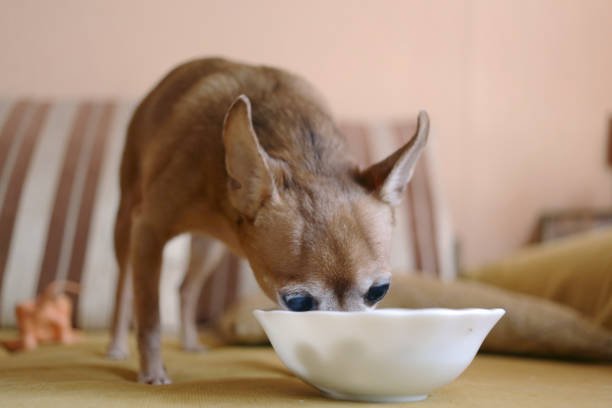
Your Chihuahua’s age and activity level play a significant role in how much they should eat. Puppies need more calories and nutrients for growth, so they require more food than adult dogs. Active Chihuahuas burn more calories and may need more food, while older or less active dogs might need less to avoid gaining weight.
Certain health conditions can affect your Chihuahua’s appetite and dietary needs. For example, dogs with diabetes or thyroid issues might need special diets. Always consult with your vet if your Chihuahua has a health condition that affects their eating habits. They can recommend the best diet and portion sizes to keep your dog healthy and happy.
A feeding chart helps you know exactly how much food your Chihuahua needs every day. This is important because it prevents overfeeding or underfeeding, both of which can lead to health problems. Structured feeding ensures your Chihuahua gets the right amount of nutrients to stay healthy and energetic. It also helps create a routine, which is comforting for your pet.
Obesity is a common problem in Chihuahuas. These small dogs can easily gain weight if they eat too much or don’t get enough exercise. Using a feeding chart helps you control portion sizes and make sure your Chihuahua eats the right amount of food. This can prevent weight gain and reduce the risk of obesity-related health issues like diabetes, heart disease, and joint problems.
Proper nutrition is key to a long and healthy life for your Chihuahua. A feeding chart helps you provide a balanced diet with the right mix of proteins, fats, and carbohydrates. This supports your Chihuahua’s immune system, keeps their coat shiny, and ensures they have the energy to play and enjoy life. By following a feeding chart, you can help your Chihuahua live a longer, healthier life.
To keep your Chihuahua healthy, their diet needs to include essential nutrients like proteins, fats, vitamins, and minerals. These nutrients support their overall health, energy levels, and well-being.
Proteins are crucial for building and maintaining strong muscles. Look for dog foods that list meat as the first ingredient, such as chicken, beef, or fish. Protein helps your Chihuahua stay active and supports their muscle health.
Fats provide energy and keep your Chihuahua’s coat shiny and healthy. Foods with healthy fats like omega-3 and omega-6 fatty acids are beneficial. Fish oil and flaxseed are good sources of these fats.
Vitamins and minerals are important for your Chihuahua’s overall wellness. They support the immune system, bone health, and other bodily functions. Ensure their food includes a variety of fruits and vegetables to provide these essential nutrients.
Choosing the right type of food depends on your Chihuahua’s preferences, health needs, and lifestyle. Some dogs thrive on dry kibble, while others may need the moisture and flavor of wet food. Seek advice from your veterinarian to ascertain the optimal choice for your canine companion.
Some top brands known for their quality dog food include Royal Canin, Blue Buffalo, and Wellness. These brands provide a range of choices designed to meet various dietary requirements. Always choose a brand that uses high-quality ingredients and has a good reputation for safety and nutrition.
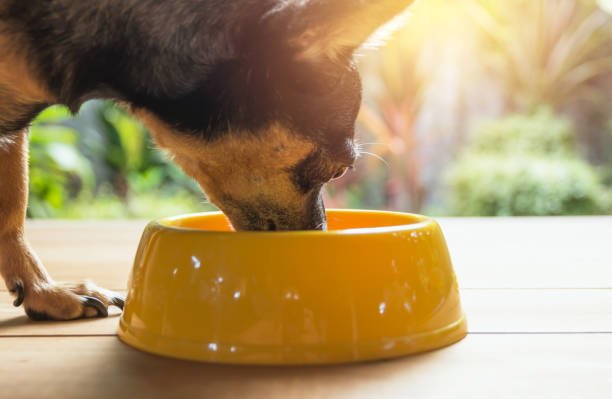
Feeding your Chihuahua twice a day has many benefits. It helps maintain steady energy levels and supports their overall health. By splitting their daily food intake into two meals, you can prevent overeating and promote better digestion.
Twice-a-day feeding helps keep your Chihuahua’s energy levels stable throughout the day. Smaller, more frequent meals provide a consistent source of energy, which is especially important for active or growing dogs.
Regular feeding times improve your Chihuahua’s digestive health. Smaller meals are easier to digest, reducing the risk of bloating and other digestive issues. This routine can also help regulate bowel movements.
If you’re currently free feeding your Chihuahua, transitioning to scheduled meals can be beneficial. Free feeding often leads to overeating and weight gain, while scheduled meals provide better portion control.
To smoothly transition from free feeding to scheduled meals, start by gradually reducing the amount of food available at all times. Introduce specific feeding times and stick to a routine. Be patient and consistent, and your Chihuahua will adapt.
Some human foods can be very harmful to Chihuahuas. It’s important to know which foods to avoid to keep your pet safe and healthy.
Chocolate and caffeine are toxic to Chihuahuas. They contain substances called theobromine and caffeine, which can cause vomiting, diarrhea, rapid breathing, and even death in severe cases. Keep all chocolate and caffeinated products out of your dog’s reach.
Grapes and raisins can cause kidney failure in Chihuahuas, even in small amounts. Symptoms include vomiting, lethargy, and loss of appetite. Avoid giving your dog any grapes or raisins to prevent these serious health issues.
Onions and garlic, whether raw, cooked, or powdered, can damage your Chihuahua’s red blood cells, leading to anemia. Signs of toxicity include weakness, vomiting, and breathing problems. Ensure that all forms of onions and garlic are kept out of reach of your dog.
Alcohol is extremely dangerous for Chihuahuas and can cause severe liver and brain damage. Even small amounts can be lethal. Xylitol, a common artificial sweetener found in sugar-free gum and candies, can cause a rapid drop in blood sugar, seizures, and liver failure. Always check labels and avoid giving your dog any products containing xylitol.
While many human foods are harmful, there are some that Chihuahuas can eat safely in moderation.
Some fruits and vegetables are safe and healthy for Chihuahuas. Apples (without seeds), blueberries, carrots, and green beans can be great treats. Always wash them thoroughly and cut them into small pieces to avoid choking hazards.
Lean meats like chicken, turkey, and beef can be good protein sources for Chihuahuas. Make sure the meat is cooked, unseasoned, and cut into small pieces. Some dogs can tolerate small amounts of dairy, like plain yogurt or cheese, but watch for any signs of lactose intolerance.
Feeding your Chihuahua the right way is crucial for their health and happiness. Here are some practical tips to make sure your little friend gets the best nutrition.
A feeding schedule helps your Chihuahua know when to expect meals. Strive to maintain a consistent feeding schedule for your dog each day. For example, you can give them breakfast in the morning and dinner in the evening. This routine can help with digestion and make your Chihuahua feel secure.
Sometimes, you may need to adjust your Chihuahua’s feeding schedule. If your dog is sick, pregnant, or very active, they might need more or less food. Always talk to your vet if you’re unsure about how to adjust their diet.
Feeding the right amount is just as important as what you feed. Chihuahuas are small and can easily gain weight if overfed. Measure their food portions using a cup or scoop to make sure they get the right amount.
For more accuracy, use a kitchen scale to weigh your Chihuahua’s food. This is especially useful if you are feeding dry kibble. Weighing the food ensures you are not over or underfeeding your pet.
Dog food labels have feeding guidelines based on your dog’s weight. These guidelines can help you determine the right amount to feed your Chihuahua. Remember, these are just guidelines, and you may need to adjust based on your dog’s activity level and health.
Keeping an eye on your Chihuahua’s weight and overall health is vital. Regular check-ups with the vet can help catch any problems early. Make sure to note any changes in their weight or eating habits.
Weigh your Chihuahua regularly to keep track of their weight. This can be done monthly. Use a bathroom scale by first weighing yourself, then weighing yourself while holding your Chihuahua, and subtracting the difference.
Watch for signs that your Chihuahua is not getting the right amount of food. Signs of overfeeding include weight gain, lethargy, and trouble breathing. Signs of underfeeding include weight loss, low energy, and visible ribs. If you notice any of these signs, adjust their food intake and consult your vet.
Chihuahuas have a unique metabolism compared to larger dogs. They burn calories faster and have higher energy needs relative to their size. Because of this, they need a diet that provides enough energy without overloading them with calories. Feeding them small, balanced meals multiple times a day can help keep their metabolism stable and energy levels consistent.
It can be tempting to share your food with your Chihuahua, but table scraps are generally a bad idea. Human food often contains ingredients that are harmful to dogs, such as onions, garlic, and chocolate. Additionally, table scraps can be too fatty, salty, or sugary, leading to obesity and other health problems. Stick to dog food specifically formulated for Chihuahuas to ensure they get the right nutrients without the risk.
Keeping your Chihuahua healthy means staying informed about the latest in dog nutrition. Here are some key areas to focus on.
The pet food industry is constantly coming up with new and improved products. Look out for innovative dog food that offers balanced nutrition with high-quality ingredients. Some new products include grain-free options, organic dog foods, and formulas designed for specific health issues like joint support or weight management. Trying out these new products can provide your Chihuahua with the best possible nutrition.
Expert advice from veterinarians and pet nutritionists is invaluable. These professionals can offer tips tailored to your Chihuahua’s specific needs. For example, they might recommend certain foods or supplements based on your dog’s age, weight, and health status. Regular consultations with experts ensure that you are providing the best care for your pet.
Creating a Chihuahua feeding chart is a great first step towards ensuring your pet's health and happiness. At Petpawty, we believe that implementing a structured feeding plan can make a big difference in your Chihuahua's well-being. Start by tracking your dog's meals and portions to see the positive changes in their health. Join our community to share your Chihuahua’s journey and learn from other pet owners. Take action this week by implementing just one of these feeding practices, and watch your furry friend thrive. Remember, a little effort can lead to big rewards for your Chihuahua's health.




©2025 Petpawty. All Rights Reserved