
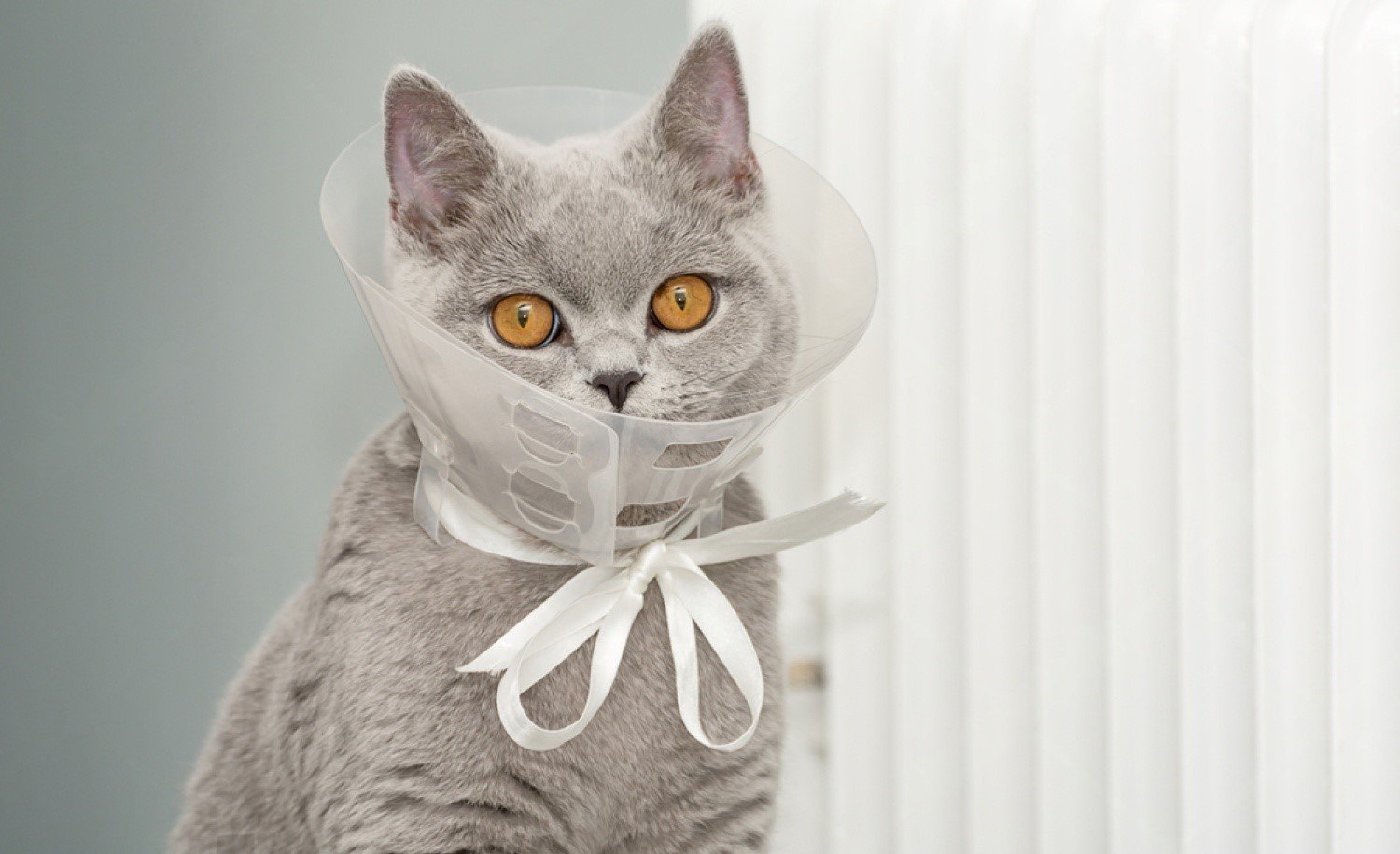
Benefits of Neutering a Male Cat: Complete Vet-Approved Guide 2025
Neutering a male cat is one of the most responsible decisions an owner can make for both the cat’s well-being and the community. The benefits of neutering a male cat go far beyond preventing unwanted litters—it also provides clear health advantages such as eliminating the risk of testicular cancer and lowering the chance of certain
Read More
Hip Dysplasia in Cats: Signs, Diagnosis, and Caring for Your Cat
Hip dysplasia in cats is a developmental condition where the hip joint does not form properly, leading to instability, pain, and eventually arthritis. While more commonly discussed in dogs, this disorder can affect cats too—especially certain breeds like Maine Coons and Persians. The challenge for pet owners is that cats are experts at hiding discomfort,
Read More
Vomiting and Diarrhea in Kittens – Causes & Recovery Steps
When a kitten presents with vomiting and diarrhea, it is always considered a potentially serious medical concern. Unlike adult cats, kittens have very limited reserves of fluid and energy, meaning even a short period of gastrointestinal upset can quickly lead to dehydration, electrolyte imbalance, and life-threatening complications. In practice, veterinarians approach kitten vomiting and diarrhea
Read More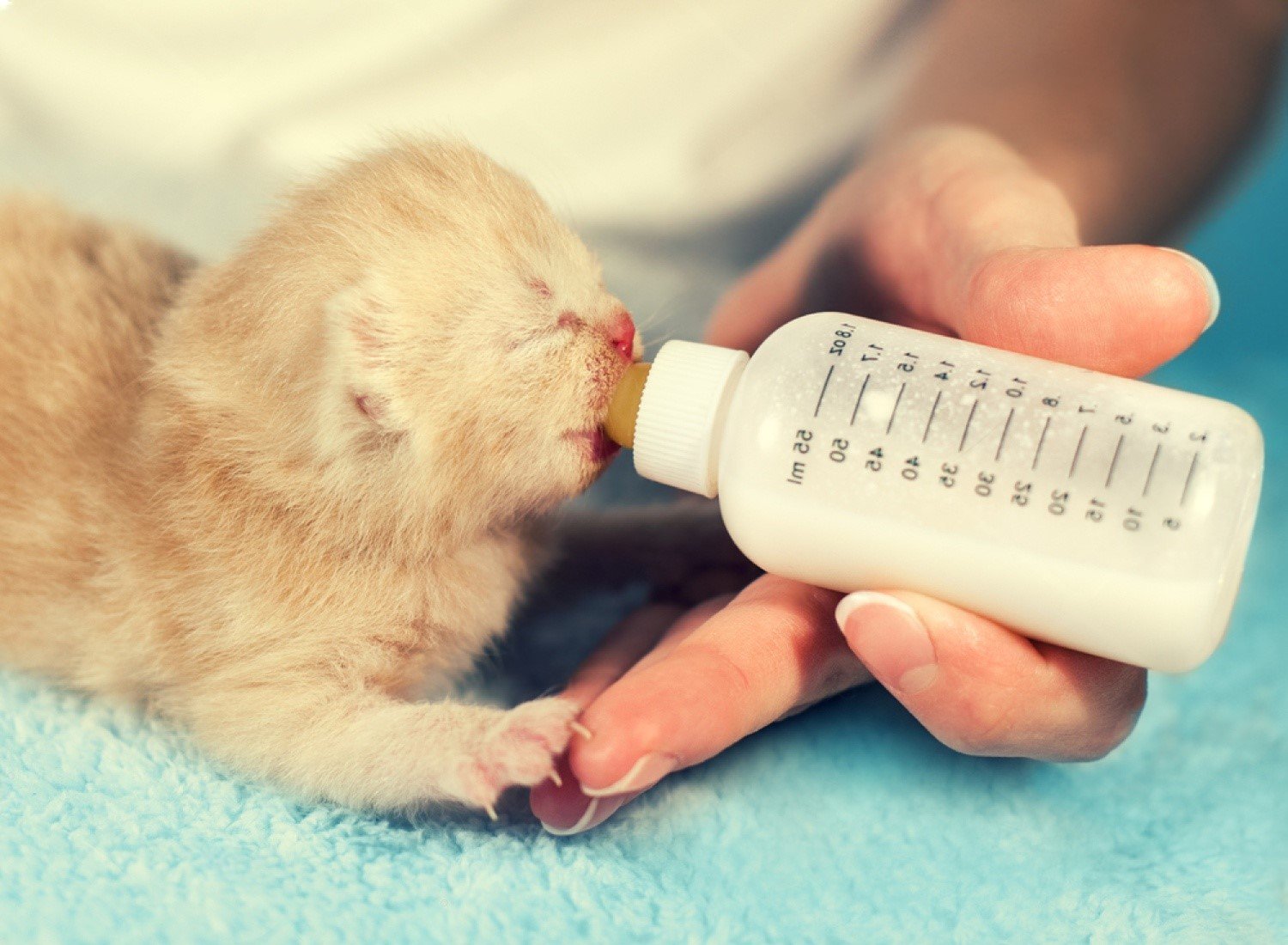
How to Feed a Newborn Kitten from Day 1
If you’re caring for a newborn kitten, the first thing to know is this: they cannot drink cow’s milk or eat solid food. Newborns must be fed with a kitten milk replacer (KMR) using a bottle or syringe, and every feeding needs to be done correctly to keep them safe. This guide shows you exactly
Read More
Is Senior Cat Excessive Urination a Medical Emergency? Know the Signs
Noticing your senior cat peeing a lot lately? It’s natural to feel alarmed. Excessive urination in senior cats isn’t just a messy inconvenience—it can be a red flag signaling an underlying health issue. For many pet owners, it sparks fear that their aging companion may be seriously ill, frustration from daily cleanups, and helplessness over
Read More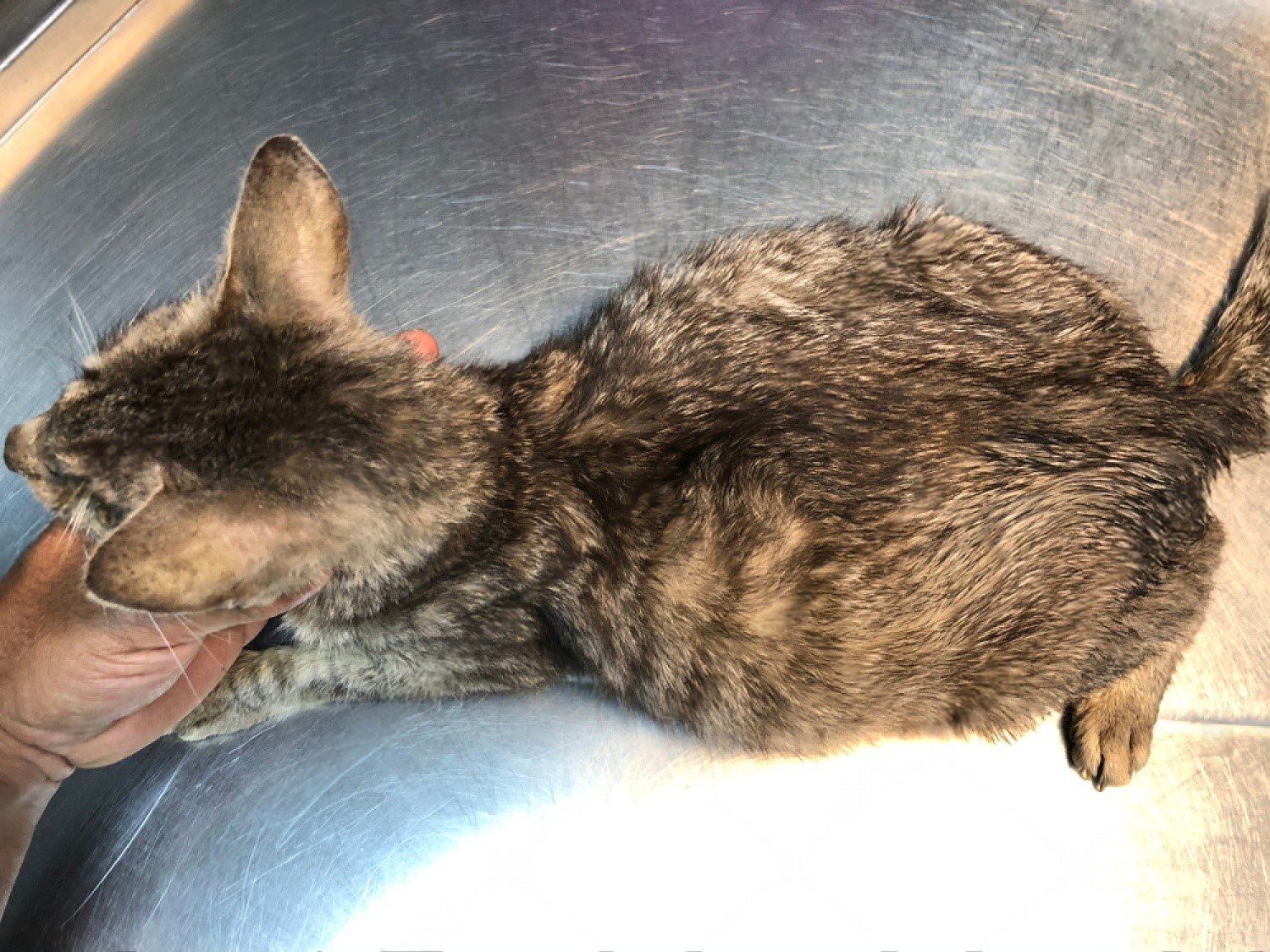
FIP in Cats: Early Warning Signs and Symptoms Every Owner Must Know
Feline Infectious Peritonitis, or FIP in cats, is a serious and often misunderstood disease caused by a mutation of a common virus found in cats—the feline coronavirus (FCoV). While most cats infected with FCoV show no symptoms or only mild digestive upset, a small percentage experience a rare mutation that turns the virus into feline
Read More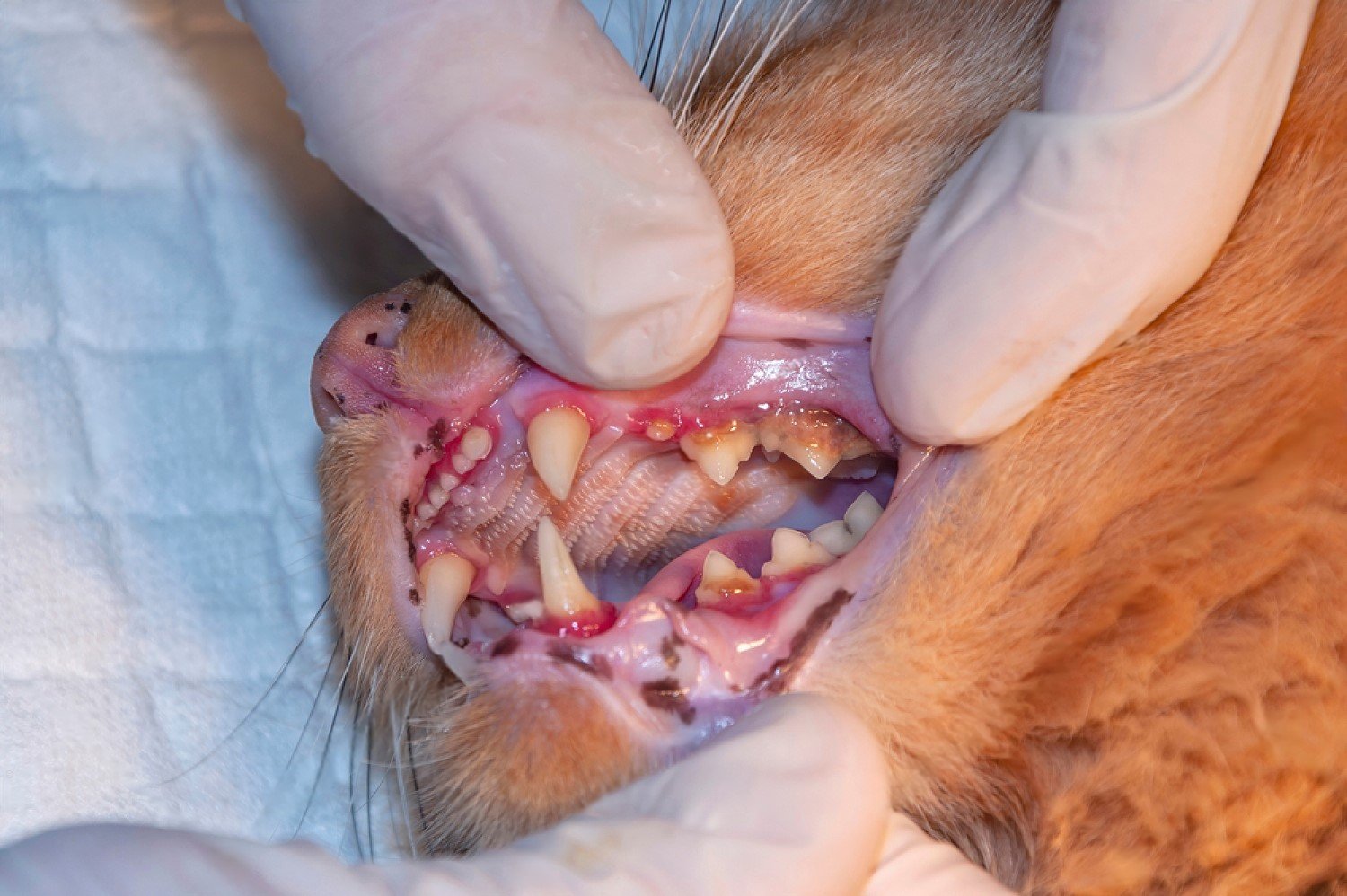
Cat Gum Infection: Symptoms and Treatments Option
Did you know that up to 85% of cats over the age of three suffer from some form of dental disease, including gum infections? Feline gum disease is one of the most common yet often overlooked health issues in cats. Left untreated, it can lead to chronic pain, tooth loss, and even affect vital organs
Read More
Why Is My Cat’s Third Eyelid Showing?
If you’ve ever noticed a thin, whitish or pinkish membrane creeping over your cat’s eye, you’re not alone — and you’re right to be concerned. This is known as the cat’s third eyelid, or the nictitating membrane, and while it plays a vital protective role in your feline’s eye health, it usually stays tucked out
Read More
Can My Cat Get the Flu? Yes! Here’s What to Do
Many cat owners ask, ‘Can my cat get the flu?’ The answer is yes, cats can get the flu, commonly known as cat flu, which is a contagious upper respiratory infection caused by feline herpesvirus (FHV-1) and feline calicivirus (FCV). While it shares symptoms with human flu—like sneezing, runny nose, fever, and watery eyes—it is
Read MoreHow Frequently Do Dogs Go Into Heat? Timing, Signs, and What to Do
How often does your dog go into heat? Get detailed information on frequency, symptoms, and how to best support your dog through the cycle.
Read More