

Many cat owners ask, ‘Can my cat get the flu?’ The answer is yes, cats can get the flu, commonly known as cat flu, which is a contagious upper respiratory infection caused by feline herpesvirus (FHV-1) and feline calicivirus (FCV). While it shares symptoms with human flu—like sneezing, runny nose, fever, and watery eyes—it is a separate disease and not transmissible between humans and cats.
Historically, feline respiratory infections have been observed for centuries, but significant outbreaks gained attention in the 20th century as more cats lived in close quarters with humans. Unlike human influenza, which rapidly mutates into new strains, cat flu is primarily caused by a few persistent viruses that can remain in a cat’s system for life. Some cats become carriers, shedding the virus and experiencing occasional flare-ups, especially during stress or illness.
Cat flu can range from mild to severe, with kittens, senior cats, and immunocompromised cats at higher risk for complications like pneumonia and long-term respiratory issues. While there is no cure, vaccination, good hygiene, and early treatment play a key role in managing and preventing infections. Understanding the causes, symptoms, and prevention strategies is essential to keeping your cat healthy.
What Causes Cat Flu?
The primary culprits behind cat flu are two highly contagious viruses: feline herpesvirus type 1 (FHV-1) and feline calicivirus (FCV). These viruses can spread through direct contact with infected cats (e.g., grooming, sharing food bowls), airborne droplets (sneezing), or contaminated environments.
- Feline Herpesvirus Type 1 (FHV-1): FHV-1 is a common cause of upper respiratory infections, often associated with severe symptoms like sneezing, runny eyes, and nasal discharge. A key characteristic of FHV-1 is its ability to establish latent infections. This means a cat can carry the virus without showing symptoms and experience recurrent episodes during periods of stress or illness. FHV-1 can also cause ocular disease, including conjunctivitis and corneal ulcers.
- Feline Calicivirus (FCV): FCV is another prevalent cause of cat flu, known for producing a wide range of symptoms. While some FCV strains cause mild respiratory signs, others can lead to more severe disease, including oral ulcers, pneumonia, and even systemic illness in rare cases. Like FHV-1, FCV can persist in a carrier state, with the cat shedding the virus intermittently.
It’s important to note that these two viruses can act independently or concurrently, often making it difficult to distinguish between them based on symptoms alone. Bacterial infections can also play a role, either as primary infections or secondary invaders that take advantage of a weakened respiratory system. This is why diagnostic testing, such as PCR, is sometimes necessary to identify the specific pathogens involved in a cat’s case of flu.
Secondary Bacterial Infections in Cat Flu
While feline herpesvirus (FHV-1) and feline calicivirus (FCV) are the primary viral causes of cat flu, secondary bacterial infections often complicate the illness. These infections occur when bacteria, which may already be present in the cat’s respiratory tract or environment, take advantage of a weakened immune system and damaged tissues caused by the initial viral infection.
The viral infection compromises the cat’s natural defenses, making them more susceptible to bacterial invasion. The damaged mucosal lining of the respiratory tract provides an ideal environment for bacteria to thrive. Common bacterial invaders include Bordetella bronchiseptica, Streptococcus spp., and Pasteurella spp.
These secondary bacterial infections can lead to a range of complications, including:
- Bacterial Pneumonia: This is a serious complication that can cause severe respiratory distress and even death, particularly in kittens and immunocompromised cats.
- Rhinitis and Sinusitis: Bacterial infections can exacerbate inflammation in the nasal passages and sinuses, leading to persistent nasal discharge, sneezing, and congestion.
- Conjunctivitis: Bacterial infections can worsen eye inflammation, leading to thick, purulent discharge.
- Other complications: In severe cases, bacteria can spread to other parts of the body, causing systemic illness.
Antibiotic treatment is crucial when secondary bacterial infections are present. While antibiotics do not target the primary viral infection, they are essential for controlling and eliminating the bacterial component of the illness. Prompt veterinary intervention is necessary to diagnose and treat these infections effectively. The veterinarian will determine the appropriate antibiotic and dosage based on the cat’s condition and the suspected bacteria.
Symptoms of Cat Flu
Cat flu manifests in a variety of ways, mirroring many of the symptoms associated with human colds and flu. Recognizing these telltale signs is crucial for prompt veterinary attention. Common symptoms of cat flu include:
- Sneezing
- Runny Nose and Eyes
- Congestion
- Fever
- Loss of Appetite
- Lethargy
- Mouth Ulcers
- Coughing
- Hoarseness
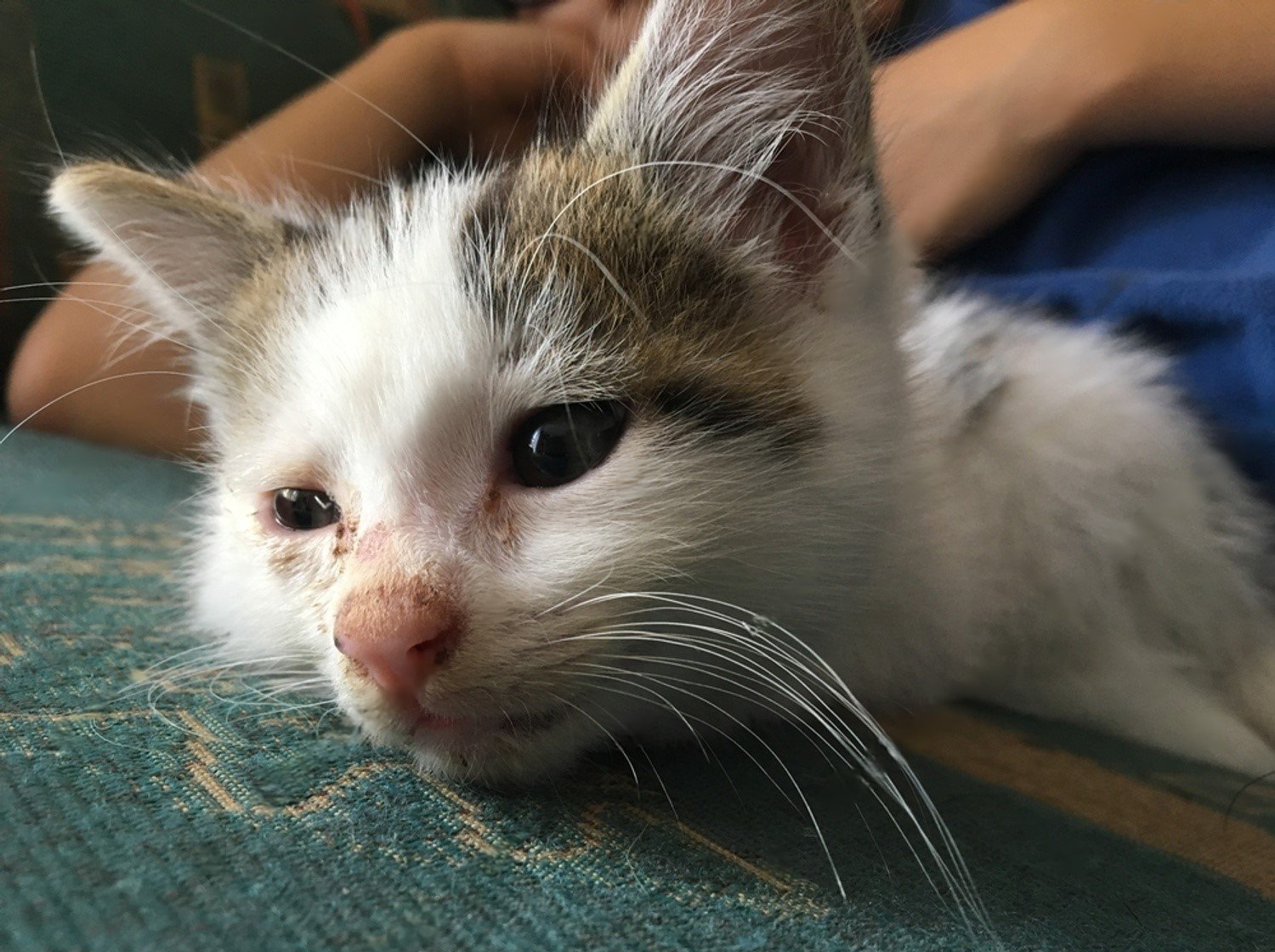
The severity and combination of these symptoms can vary depending on the specific viruses involved, the cat’s age and health status, and the presence of any secondary bacterial infections. Some cats may only exhibit mild symptoms, while others can experience a more severe and debilitating illness. If you observe any of these signs in your cat, it’s essential to consult with your veterinarian for a proper diagnosis and treatment plan.
How Can I Tell If My Cat Has Cat Flu or Just a Mild Cold?
It can be difficult to distinguish between a mild cold and cat flu in cats, as symptoms often overlap. Both may include sneezing, runny noses, and watery eyes. However, cat flu tends to be more severe and prolonged.
Here’s a comparison to help illustrate potential differences, but remember, a veterinarian’s diagnosis is crucial:
| Feature | Mild Cold | Cat Flu |
| Severity | Generally mild, symptoms are less pronounced | Can range from mild to severe |
| Eye Discharge | Usually clear and watery | Can be thick, colored, or pus-like; conjunctivitis is common |
| Nasal Discharge | Usually clear and watery | Can be thick, colored, or pus-like |
| Mouth Ulcers | Typically absent | May be present, especially with FCV infection |
| Appetite | Usually normal or slightly reduced | Often significantly reduced or absent |
| Lethargy | Mild or absent | Can be pronounced |
| Fever | May be slightly elevated | More likely to have a higher fever |
| Duration | Usually resolves within a few days | Can last for a week or more, or recur |
While this table highlights potential differences, there can be significant overlap. Therefore, accurate diagnosis requires a veterinarian’s expertise and tools. Untreated upper respiratory infections, even seemingly mild ones, can progress to serious complications like pneumonia, especially in vulnerable cats.
How is Cat Flu Treated?
There is no specific cure for cat flu, as it is primarily caused by viruses. Treatment focuses on managing symptoms, preventing secondary bacterial infections, and providing supportive care. Both veterinary intervention and diligent home care are essential for a cat’s recovery.
Veterinary Treatment:
- A veterinarian may prescribe antibiotics to combat secondary bacterial infections, which are common complications of cat flu. While antibiotics do not target the viruses themselves, they are crucial for preventing or treating bacterial pneumonia and other infections.
- In some cases, antiviral medications, such as famciclovir for feline herpesvirus, may be considered.
- Eye drops or ointments may be prescribed to treat conjunctivitis or other eye infections.
- Pain relief and anti-inflammatory medications can help reduce fever, pain, and inflammation.
- Severely ill cats, especially those refusing to eat or drink, may require hospitalization for fluid therapy, oxygen therapy, and intensive care.
- In some cases, nutritional support such as assisted feeding may be required.
Home Care:
- Comfort: Provide a warm, quiet, and comfortable environment for your cat. A soft bed in a draft-free area is ideal.
- Hygiene: Gently clean any discharge from your cat’s eyes and nose with a soft, damp cloth. This helps them breathe easier and prevents irritation.
- Nutrition: Offer palatable food, warming it slightly to enhance aroma and encourage eating. If your cat has mouth ulcers, soft food may be more comfortable. Ensure fresh water is always available.
- Hydration: Encourage your cat to drink plenty of water. If dehydration is a concern, consult your veterinarian about options like subcutaneous fluids.
- Stress Reduction: Minimize stress by providing a calm environment. Avoid loud noises and disruptions, and provide familiar toys and bedding.
- Steam Therapy: Sitting with your cat in a steamy bathroom for short periods can help loosen congestion. However, never force your cat into the bathroom, as this will increase stress.
- Monitoring: Closely monitor your cat’s condition, noting any changes in symptoms, appetite, or behavior, and report them to your veterinarian.
- Medication: Administer any medications prescribed by your veterinarian exactly as directed.
It’s crucial to remember that home care is supportive and should always be done in conjunction with veterinary guidance. If your cat is not getting better or seems to be getting sicker, contact your Vet as soon as possible. Never administer human medications to your cat without veterinary consultation.
Are There Vaccines for Cat Flu?
Yes, vaccines are available for cat flu. The core feline vaccination (FVRCP) protects against feline herpesvirus (FHV-1) and feline calicivirus (FCV), the two main causes of cat flu. While vaccination does not completely prevent infection, it significantly reduces the severity of symptoms and lowers the risk of complications.
Kittens should receive their first FVRCP vaccine at around 6–8 weeks of age, followed by booster shots every 3–4 weeks until they are 16 weeks old. Adult cats require regular booster shots, usually every 1–3 years, depending on the vaccine type and veterinary recommendations. Keeping up with vaccinations is essential for preventing severe cases of cat flu, especially in multi-cat households or shelters. Always consult your vet for the best vaccination schedule for your cat.
How Does Cat Flu Affect Cats with Pre-existing Health Conditions?
Cats with pre-existing health conditions, such as respiratory diseases, weakened immune systems (e.g., FIV or FeLV-positive cats), or chronic illnesses like kidney disease, are more vulnerable to severe complications from cat flu. Their bodies struggle to fight off infections, leading to prolonged illness, secondary bacterial infections, dehydration, or pneumonia.
Senior cats and those with conditions like asthma may experience worsened breathing difficulties. Cats with dental or oral issues might suffer more from ulcers caused by feline calicivirus (FCV). Immediate veterinary care is essential for managing symptoms and preventing further health deterioration. Treatment may include antiviral medications, antibiotics for secondary infections, fluid therapy, and supportive care to maintain hydration and nutrition.
Is Cat Flu Contagious to Humans or Other Animals?
Cat flu is not contagious to humans because the viruses that cause it—feline herpesvirus (FHV-1) and feline calicivirus (FCV)—are species-specific and only affect cats. However, cat flu is highly contagious to other cats, especially in multi-cat households, shelters, and catteries. It spreads through direct contact with an infected cat’s saliva, eye, or nasal discharge, and contaminated surfaces like food bowls, bedding, and litter boxes.
Other animals, such as dogs and small pets, are not at risk, as feline flu viruses do not infect them. However, humans can unknowingly spread the virus by touching an infected cat and then handling another cat. To prevent transmission, wash your hands thoroughly after handling sick cats and disinfect shared items.
If one of your cats is infected, isolate them and clean their environment regularly to reduce the risk of spreading the virus to other cats in your home.
What are the Long-Term Effects of Cat Flu?
Some cats experience long-term effects, particularly if the initial infection was severe or if the cat has underlying health issues. Here are some potential long-term consequences of cat flu:
- Recurrent Infections: Cats infected with feline herpesvirus (FHV-1) can develop latent infections. This means the virus remains dormant in their bodies and can reactivate during times of stress, illness, or a weakened immune system. This can lead to recurring episodes of cat flu symptoms throughout the cat’s life.
- Chronic Rhinitis and Sinusitis: Some cats may develop chronic inflammation of the nasal passages and sinuses, leading to persistent nasal discharge, sneezing, and congestion. This can be caused by damage to the nasal tissues from the initial infection or by ongoing viral shedding.
- Conjunctivitis: Cats with FHV-1 can experience recurrent conjunctivitis (inflammation of the conjunctiva) or develop chronic eye problems, such as dry eye or corneal ulcers.
- Pneumonia: In severe cases, particularly in kittens or cats with weakened immune systems, cat flu can lead to pneumonia. Even after recovery, some cats may have lingering respiratory issues or be more susceptible to future respiratory infections.
- Decreased Sense of Smell: Chronic inflammation in the nasal passages can impair a cat’s sense of smell, which can affect their appetite and overall quality of life.
- Exacerbation of Underlying Conditions: Cat flu can worsen pre-existing health conditions, such as asthma, chronic bronchitis, or heart disease.
Read the related article about dog flu.
Resources
https://www.pdsa.org.uk/pet-help-and-advice/pet-health-hub/conditions/cat-flu
https://vslveterinary.com/cat-flu/
Catspecialists
https://www2.zoetis.ie/products-and-solutions/cats/cat-flu
https://www.bluecross.org.uk/advice/cat/health-and-injuries/cat-flu