
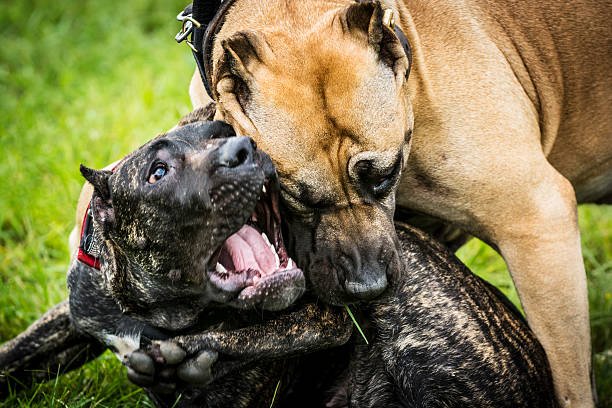
Dog fighting is a cruel and illegal activity that involves forcing dogs to fight each other for entertainment or profit. It is a global problem that affects millions of dogs every year, causing them unimaginable pain and suffering. But what many people don’t know is that there is another group of victims in this barbaric practice: the bait dogs. These innocent animals are used as tools to train and test fighting dogs, enduring unspeakable cruelty and violence in the process. In this article, we’ll explore ‘’what is a bait dog?’’, why they’re subjected to such horrors, and what can be done to help them.
What Does Bait Dog Mean?
A bait dog is a dog that is used by dog fighters to train their fighting dogs. The bait dog is typically weaker, smaller, or less aggressive than the fighting dog, and is used to boost the fighting dog’s confidence and aggression. The bait dog is often mutilated, muzzled, or restrained to prevent it from defending itself or injuring the fighting dog. The bait dog is then placed in a pit or tied to a pole, where it is attacked and torn apart by the fighting dog. Sometimes, more than one fighting dog is unleashed on the bait dog, creating a frenzy of violence and bloodshed.
They suffer severe physical and psychological trauma and often die from their injuries. Those who survive are usually discarded, abandoned, or killed by the dog fighters. Some bait dogs are even former fighting dogs who failed to perform well or lost their matches.
Where do bait dogs come from?
Bait dogs can come from various sources, such as:
- Online marketplaces, where unsuspecting owners sell or give away their dogs to people who claim to be looking for a pet but are actually dog fighters in disguise.
- Animal shelters, where dog fighters adopt or steal dogs that are not spayed or neutered, or have behavioral issues.
- Pet stores, where dog fighters buy dogs that are bred in puppy mills, or are sick or injured.
- Backyard breeders, where dog fighters obtain dogs that are poorly bred, overbred, or inbred, resulting in health and temperament problems.
- Dog theft, when dog fighters snatch dogs that are left unattended in yards, cars, or streets.
Addressing the Issue of Bait Dogs
The abhorrent practice of dog fighting inflicts unimaginable suffering on animals, with bait dogs bearing the brunt of this cruelty. But amidst the darkness, there are rays of hope: efforts to combat this illegal activity and organizations working tirelessly to rescue and rehabilitate these victims.
The Illegality of Dog Fighting:
Dog fighting is illegal in all 50 states of the United States and most countries worldwide. Penalties vary depending on the jurisdiction but typically involve hefty fines, imprisonment, and animal cruelty charges. Additionally, owning, breeding, or training animals for fighting can result in significant legal repercussions.
The Work of Animal Welfare Organizations:
Thankfully, numerous organizations dedicate themselves to rescuing bait dogs and providing them with a second chance. These groups work alongside law enforcement to investigate and dismantle dog-fighting operations. They offer vital resources like:
- Emergency rescue and medical care: Injured and traumatized bait dogs receive immediate veterinary attention and ongoing treatment.
- Behavioral rehabilitation: Trained professionals help these dogs overcome the fear and aggression instilled through abuse, fostering trust and socialization.
- Adoption and placement: Once rehabilitated, bait dogs are placed in loving forever homes where they can finally experience the care and compassion they deserve.
Reporting and Supporting the Cause:
If you suspect dog fighting is occurring in your area, report it immediately to the authorities. You can also contact animal welfare organizations for assistance. Several resources are available to help you:
- The Humane Society of the United States
- The American Society for the Prevention of Cruelty to Animals (ASPCA)
- The National Sheriffs’ Association
Supporting these organizations through donations, volunteering, or raising awareness plays a crucial role in their fight against dog fighting. Every action, however small, contributes to a future where these brave animals can find healing and happiness.
By understanding the legal consequences of dog fighting, recognizing the work of animal welfare organizations, and utilizing available resources, we can collectively work towards ending this barbaric practice and offering hope to the innocent victims caught in its web. Remember, your voice and actions matter in making a difference.
What are the signs of a bait dog?
Bait dogs often show signs of abuse and neglect, such as:
- Scars, wounds, bruises, infections, or missing body parts, especially on the face, neck, chest, legs, and genitals.
- Malnutrition, dehydration, parasites, or diseases, such as rabies, distemper, or parvovirus.
- Fear, anxiety, depression, aggression, or distrust of humans and other animals.
- Collars, chains, ropes, or wires embedded in their skin or wrapped around their necks.
- Tattoos, brands, or ear notches that indicate ownership or identification by dog fighters.
How can you help bait dogs?
There are several ways you can help them, such as:
- Educate yourself and others about dog fighting and its consequences, and report any suspected activity to your local animal control agency or police.
- Support local animal shelters and rescue groups that provide care and rehabilitation for bait dogs and other victims of dog fighting.
- Adopt, foster, or sponsor a bait dog, and provide it with a loving and safe home, as well as proper medical and behavioral treatment.
- Advocate for stronger laws and penalties against dog fighting and animal cruelty, and support animal welfare organizations that lobby for change.
- Spay or neuter your own dogs, and encourage others to do the same, to prevent unwanted litters and reduce the supply of dogs for dog fighters.
- Microchip and tag your dogs, and keep them indoors or supervised, to prevent them from being stolen or lost.
Myth vs. Reality: Are Bait Dogs Real or Just a Misunderstood Concept?
The idea of “bait dogs” — helpless, submissive dogs being deliberately used to train fighting dogs — has circulated widely on social media and rescue forums. However, this story is often exaggerated or wrong.
While it’s true that dogs in illegal fighting rings may suffer horrific abuse and be forced into fights, the notion that specific dogs are systematically used as living “bait” is largely an oversimplification or myth. There’s little verifiable evidence that criminal dogfighting operations breed or maintain dogs solely for the purpose of acting as punching bags for aggressive fighters.
This misconception can actually do more harm than good, as it leads to well-meaning people falsely labeling injured or submissive shelter dogs as “former bait dogs.” Such labeling can affect a dog’s chances of adoption and create fear-based assumptions about their behavior or background.
In closing, remember that the fight against dog fighting is not just about saving individual animals, but about eradicating a culture of cruelty and violence. By shining a light on the suffering of bait dogs, supporting organizations dedicated to their rescue and rehabilitation, and actively reporting suspected activity, we can create a world where these vulnerable creatures are no longer subjected to such horrific abuse. Let us stand together, united in our compassion, and ensure that every bait dog has a chance to escape the darkness and find the love and security they deserve.
FAQ’s
What is a bait dog, and why are they used in dogfighting?
A bait dog is a gentle and submissive dog used by dogfighters to train and test fighting dogs. They are often chosen for their docile nature, making them easy targets for the aggressor dogs. Bait dogs are subjected to extreme abuse, including physical attacks, to provoke aggression in the fighting dogs. They serve as sacrificial victims in the cruel world of dogfighting.
What should I do if I suspect dogfighting or come across a bait dog in distress?
If you suspect dogfighting or encounter a bait dog in distress, it’s crucial to report it to local authorities or animal welfare organizations immediately. Provide as much detail as possible about the location, situation, and any other pertinent information. Do not attempt to intervene on your own, as dogfighting operations can be dangerous. Your report could help save the lives of both bait dogs and other animals involved in this illegal activity.
Are there specific rescue organizations that specialize in helping bait dogs?
Yes, there are rescue organizations dedicated to rescuing and rehabilitating bait dogs. These organizations often have specialized knowledge and experience in handling the unique needs of bait dogs. Examples include the ASPCA, the Humane Society of the United States, and local animal shelters that work closely with law enforcement to rescue dogs from dog-fighting operations.
How can I support the rehabilitation of bait dogs after they’ve been rescued?
There are several ways to support the rehabilitation of bait dogs after they’ve been rescued. You can volunteer your time at rescue organizations, providing care, socialization, and training to help prepare them for adoption. Additionally, you can donate money or supplies to these organizations to assist with their ongoing efforts. Spreading awareness about the plight of bait dogs and advocating for stronger laws against dogfighting can also make a significant difference in supporting their rehabilitation and preventing future abuse.
What physical and psychological traumas do bait dogs often suffer?
Bait- dogs often suffer from severe physical injuries such as wounds, broken bones, and infections. They also experience psychological trauma, including fear, anxiety, and post-traumatic stress disorder (PTSD), leading to behavioral issues and emotional distress.
Read more articles:
How Many Bones Does a Dog Have? Comparing Dog and Human Skeletons
7 things You Don’t Know About Bernese Mountain Dog Adoption
$200 German Shepherd Puppies Near Me